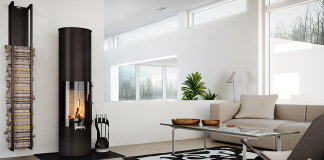

A well-designed home should feel calm, functional and welcoming. In today’s busy world, smart storage is just as important as attractive décor. From compact city flats to spacious family houses, thoughtful organisation can transform how a home looks and feels.
Even practical items can be incorporated stylishly. For example, dedicated storage for DIY supplies prevents everyday essentials from spilling into living spaces while keeping them easy to access. When everything has a home of its own, the entire house feels lighter, tidier and far more relaxing to live in.
Designing Interiors That Balance Beauty and Practicality
The most appealing interiors combine style with usability. Rather than decorating purely for appearance, modern homeowners are increasingly choosing pieces that serve multiple purposes. A coffee table with hidden compartments, a storage bench in the hallway, neatly integrated tool chests in a utility area, or a bed with built-in drawers can all reduce clutter without sacrificing aesthetics.
Light plays a crucial role in creating a sense of space. Pale colour palettes reflect natural light and make rooms feel larger. Mirrors can enhance this effect, bouncing light around the room while adding a decorative focal point.
Furniture placement also matters. Leaving breathing room between pieces prevents spaces from feeling cramped and allows each item to shine. Raised furniture on legs, rather than bulky pieces that sit flat on the floor, helps maintain an airy atmosphere by allowing light to flow underneath.
Texture is equally important for creating warmth. Natural materials such as wood, linen, wool and rattan add depth without visual heaviness. Layering these elements creates a cosy yet uncluttered look that suits both contemporary and traditional homes.
Smart Storage Solutions for Every Room
Each area of the home presents its own storage challenges, and tailoring solutions to the specific space makes organisation much easier to maintain.
Living rooms often accumulate a mix of items. Multifunctional furniture is invaluable here. Storage ottomans can hide away clutter while doubling as seating, and media units with closed cupboards keep cables and devices out of sight.
Kitchens benefit from maximising every inch of space. Pull-out drawers, corner units and tiered shelving ensure that even deep cupboards remain accessible. Clear worktops not only improve functionality but also create a clean, streamlined appearance. Decanting dry goods into matching containers can make shelves look organised while simplifying meal preparation.
Bedrooms should feel restful, which means minimising visual clutter. Under-bed storage boxes, ottoman beds and fitted wardrobes help keep clothing and spare bedding neatly contained. Drawer dividers are a small investment that makes a significant difference, turning chaotic drawers into orderly compartments.
Bathrooms are often compact, so vertical storage is essential. Wall-mounted cabinets, tall shelving units and recessed niches can hold toiletries without encroaching on floor space. Coordinated containers or baskets keep everyday essentials tidy while contributing to the room’s design.
Hallways and utility areas are frequently overlooked, yet they play a vital role in maintaining order. Hallways and utility spaces are ideal locations for storing practical items. Slim cupboards, shoe storage and discreet tool chests can keep everything from batteries to small repair tools organised without intruding on the main living areas.
Utility rooms, garages or spare cupboards are ideal for storing less attractive but necessary household items. Cleaning supplies, tools and seasonal equipment can all be organised here, freeing up living areas for relaxation rather than storage.
Creating a Calm, Clutter-Free Lifestyle
Good storage is about habits. Maintaining an organised home becomes much easier when daily routines support tidiness.
One helpful approach is the “little and often” method of decluttering. Instead of waiting for a major clear-out, review possessions regularly and remove anything no longer useful or loved. This prevents build-up and keeps storage spaces manageable.
Zoning can also bring order to busy households. Assign specific areas for different activities and store related items nearby. This reduces the temptation for belongings to spread throughout the home.
However, a completely minimalist approach isn’t necessary. A home should still feel lived-in and welcoming. Soft furnishings, plants and personal touches add warmth and character while balancing the clean lines of organised spaces.
Bringing nature indoors can further enhance tranquillity. Houseplants introduce colour, texture and a sense of vitality, while also improving air quality. Even a few well-placed plants can soften a room and make it feel more inviting.
Lighting should support relaxation as well as functionality. Layered lighting allows you to adjust brightness throughout the day. Warm lighting in the evening creates a cosy atmosphere that encourages rest and unwinding.
A Home That Supports How You Live
Ultimately, the best interiors are those that make life easier as well as more beautiful (and aren’t cluttered). Thoughtful storage solutions reduce stress, save time and create a sense of order that benefits the whole household.
You don’t need a large property or a complete renovation to achieve this. Small changes can have a surprisingly big impact. Over time, these improvements build a home that feels both stylish and highly practical.
In a fast-paced world, having a space that feels calm, organised and distinctly yours is invaluable. By combining attractive design with smart storage your home can become a true sanctuary, ready to support everything from quiet evenings to lively gatherings with friends and family.