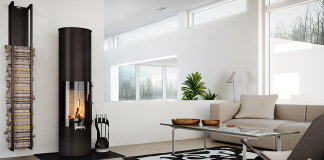

Some furniture decisions feel fine at the point of purchase and reveal themselves as mistakes about a month later. The sofa that arrived is exactly what was ordered — the right colour, the right size on the listing. But the room does not feel better for it. It might even feel slightly worse. The piece is somehow both present and not quite enough, or it sits in the space in a way that makes everything else feel slightly off.
What happened is usually not a problem with the sofa. It is a problem with what came before the sofa.
What is the actual goal?
Before opening any browser tab, there is a question worth sitting with for a few minutes: what, specifically, is wrong with the room as it stands?
Not in an abstract aesthetic sense. Concretely. Is there nowhere obvious to put things down, so surfaces are always covered? Does the room feel smaller than it should, and if so, is that because of what is in it or how it is arranged? Is there a particular time of day when the room feels uninviting — and is that a furniture problem or a light problem? Some rooms that feel dated or unresolved are really lighting problems wearing furniture-shaped clothes. Others genuinely need a different piece in a specific place.
The answer determines what the refresh is actually for. A room that needs more functional storage and a room that needs a stronger focal point are two different briefs, and buying a beautiful statement sofa for a room that actually needs more storage will not fix the underlying issue.
The measurements that usually get skipped
Wall lengths and floor area are the numbers most people check. The ones that most often get missed are the clearances.
How much space is there behind a dining chair once it is pulled back from the table? Can the wardrobe door open fully, or will it be stopped by the bed frame? When people are sitting in the lounge, what is the walking path to the kitchen — is it wide enough that nobody has to negotiate around furniture to get past?
A roughly sketched floor plan — genuinely rough, just a rectangle with the main dimensions written along the walls — puts these numbers into spatial relationship with each other. Seeing on paper that a proposed sofa occupies most of the available width between the television wall and the opposite window is a different kind of information from reading that the sofa is 240cm across. The sketch makes the consequences visible before anything is ordered.
Take the ceiling height too, if anything tall is being considered. A wardrobe or bookcase that reads as proportionate in a room with generous height can make a standard ceiling feel lower in a way that is very hard to undo once the piece is in place.
Working with references
Most people arrive at a furniture decision with too many saved images and too little clarity about what they actually want. The images were all saved because they looked right in some way, but they are pulling in different directions — some are aspirational, some practical, some connected to a feeling that is hard to name.
Reducing the folder to five or six images — the ones that most closely match the feeling the room should have, not the most beautiful or ambitious — tends to surface the common threads that were already there. Whether surfaces tend to be matt or reflective. Whether the mood is warm or cool. Whether the scale of furniture in the preferred images is generous or restrained. These threads become the brief.
For more ambitious projects — custom pieces, product concepts, or furnishings that need to be assessed in detail before production – 3d model design services can help turn rough ideas into clearer visual references. For most household refreshes, a small focused mood board with the preferred palette and key materials gives the same function: something concrete to test each new option against, instead of relying on how a piece feels in a shop on a given afternoon.
What the room already has
A piece of furniture chosen in a showroom will be placed in a room full of other things. The dining chair that photographs beautifully alongside the table it was designed with can look completely wrong against a different table with a different profile. The sideboard that is exactly the right width for the alcove can introduce a wood tone that clashes quietly with the kitchen joinery on the other side of an open-plan room.
Before committing to anything, check each proposed piece against the room’s existing contents. How does the upholstery colour relate to the floor? Does the material direction of the new piece sit comfortably alongside the existing cabinetry, or does it introduce a note that will register as a mismatch? Is the visual weight going to be balanced once the new piece is in place, or will one side of the room feel heavier?
A good photograph of the relevant wall makes these comparisons considerably easier. Not a quick phone shot taken in mixed light with other things in the frame — a photograph taken with even, preferably natural light, from a position that shows the full width and height of the area, giving an honest account of the existing proportions and colours.
Photographing for clarity
If a designer, maker, or visual specialist needs accurate references, the principles behind 3d modeling photography are useful: take clear, well-lit images from multiple angles, capture material details, and keep scale easy to understand.
For everyday planning, this means: the full wall in natural or even artificial light, from far enough back to show it properly. Close-up images of the existing floor finish, any joinery or built-in features, the skirting board height, and the wall colour at different times of day. A measuring tape in the frame or a familiar object included for scale makes the proportions legible to anyone who was not in the room. The more precisely the existing space is documented, the more accurately the refresh can be planned around it — and the fewer surprises there are when pieces start arriving.
Materials in combination
Something that rarely gets acknowledged in furniture planning is how much the existing room already determines what will work in it.
A particular floor tone is already there. Existing joinery or cabinetry has a specific wood character. The walls are a specific colour at different times of day. Every new piece of furniture arrives in that context, and whether it works depends partly on the relationships between all the materials now in the room together.
Warm-toned oak beside pale linen works because both are sitting in a similar register, even though one is hard and one is soft. Matte black metal alongside lighter upholstery creates contrast, but a legible and settled one. Where rooms start to feel unresolved is usually when warm and cool material tones have ended up alongside each other with nothing to bridge them — not as a deliberate contrast but because each item was chosen without reference to the others.
Putting actual samples together in the room before ordering anything is worth the time. Fabric swatches, a piece of flooring material, paint chips, and a timber sample from a furniture supplier. In the actual light of the space, these reveal things that selecting each item separately online will not.
The room has to work on an ordinary day
The last check before committing is whether the space will feel comfortable on a normal Tuesday evening, not only when it has been tidied and photographed.
Chairs should sit at a workable height alongside the table. Storage should be reachable without significant effort. The coffee table should leave enough clear space that moving around it does not require thought. Side tables should be where people will actually set things down, not where they look best in a floor plan.
Rooms that look thoughtful but are slightly awkward to be inside tend to accumulate a vague sense of being wrong that is genuinely hard to locate. Everything is good. The choices were considered. But something in the daily experience of the room is not quite right, and finding what that is after everything has been delivered and placed is much harder than accounting for it before anything was ordered.
Furniture decisions that stick – that still feel right a year or two later – are usually the ones made after the room was properly understood. Not planned to the point of paralysis. Just understood well enough that each new piece could land somewhere it belonged.