
In recent years, outdoor living has evolved far beyond a simple patio setup. Today, gardens, terraces, and balconies are being reimagined as true extensions of the home, spaces designed not just for relaxation, but for entertaining, dining, and everyday living.
Whether you’re hosting summer dinners, weekend brunches, or quiet evening meals, creating a well-designed outdoor dining space can transform how you use your home. The key lies in balancing functionality, comfort, and timeless style.
Why Outdoor Dining Spaces Are More Popular Than Ever
The shift toward outdoor living is no longer just a seasonal trend. Homeowners and renters alike are investing in outdoor areas that offer the same level of comfort and aesthetic as interior spaces.
Modern design trends show a clear movement toward blending indoor and outdoor environments, using cohesive materials, colours, and layouts to create a seamless transition between spaces.
This approach not only enhances visual appeal but also makes outdoor spaces feel more intentional and usable throughout the year.
Start With Purpose: How Will You Use the Space?
Before choosing furniture or décor, define how you plan to use your outdoor dining area.
Ask yourself:
- Will this space be used for large gatherings or intimate meals?
- Do you need flexible seating or a fixed dining setup?
- Is it primarily for daytime use, evening entertaining, or both?
Understanding your primary use helps determine the size, layout, and type of furniture you’ll need, ensuring the space works for your lifestyle rather than against it.
Choosing the Right Materials: Why Teak Stands Out
When it comes to outdoor furniture, material choice is everything. Unlike indoor pieces, outdoor furniture must withstand changing weather, moisture, and temperature fluctuations.
Among all materials, teak consistently stands out as a premium option.
- It contains natural oils that make it resistant to water, rot, and pests
- It requires minimal maintenance compared to many other woods
- It ages beautifully, developing a soft silver-grey patina over time
These qualities make teak particularly well-suited for dining sets that need to remain both functional and visually appealing over many years.
In fact, experts consistently rank teak as one of the most durable materials for outdoor furniture due to its natural resilience to weathering.
Designing a Cohesive Outdoor Dining Area
Creating a stylish outdoor dining space isn’t just about furniture—it’s about how everything comes together.
1. Anchor the Space With a Dining Set
Your dining table and chairs are the focal point of the space. Choose a set that complements your home’s overall style, whether that’s modern, rustic, or classic.
For a timeless and refined look, pieces like Sloane & Sons Teak Garden Furniture offer a natural aesthetic that works across multiple design styles while maintaining durability outdoors.
2. Layer With Textures and Soft Furnishings
Outdoor spaces benefit greatly from layered textures:
- Weather-resistant cushions
- Outdoor rugs
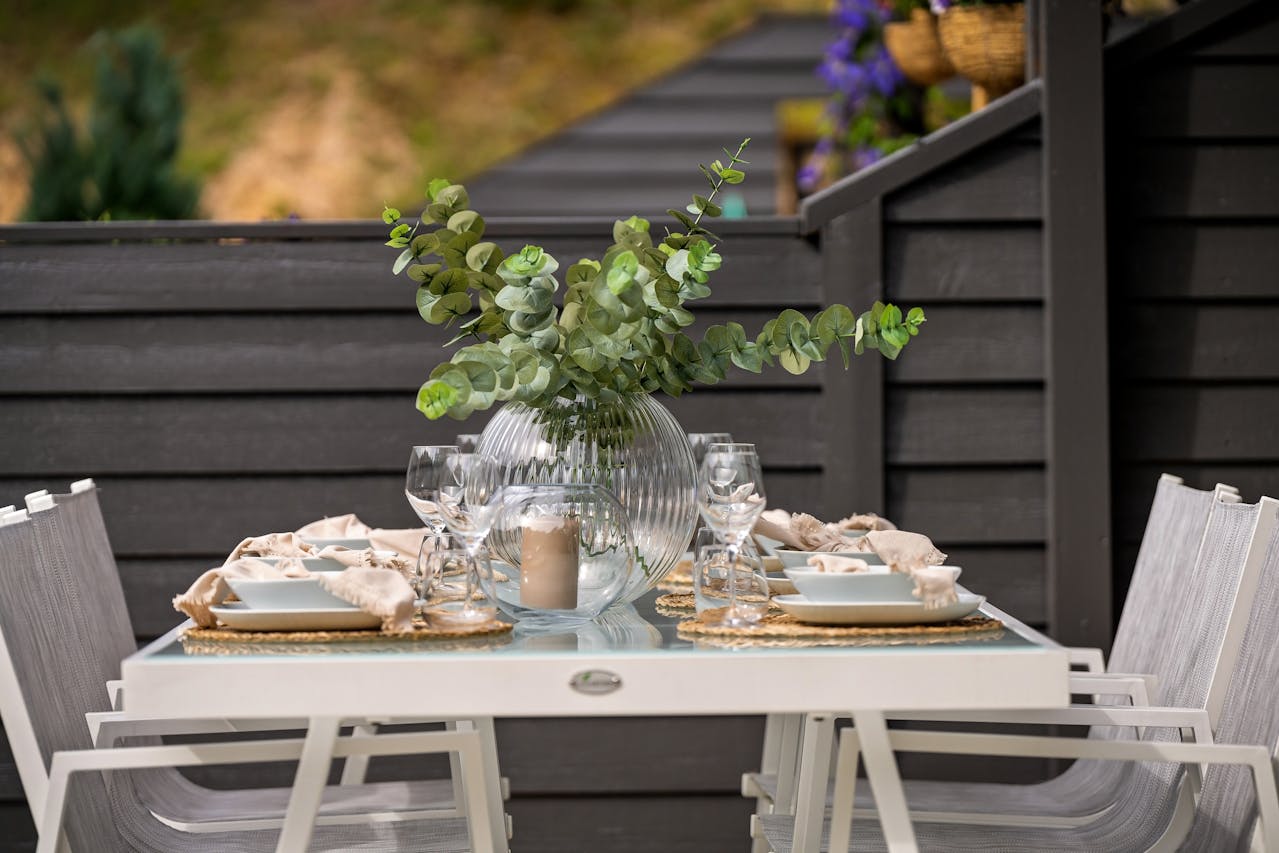
- Linen or cotton table settings
These elements soften the look and make the space feel more inviting, closer to an indoor dining experience.
3. Incorporate Shade and Shelter
Comfort is key, especially during warmer months. Consider:
- Parasols or umbrellas
- Pergolas or shade sails
- Natural shade from trees or greenery
These additions not only improve usability but also define the dining area visually.
For greater flexibility, motorised awnings provide adjustable shade that can be extended during sunnier weather and retracted when more natural light is preferred
4. Focus on Lighting for Atmosphere
Lighting transforms the mood of an outdoor space.
Options include:
- String lights for a relaxed ambience
- Lanterns for a warm, intimate feel
- Solar pathway lights for practicality
Layered lighting ensures the space remains functional and inviting after sunset.
Layout Matters: Avoid Overcrowding
A common mistake in outdoor design is trying to fit too much into the available space.
Instead:
- Allow enough room to move comfortably around the table
- Keep pathways clear
- Choose furniture scaled appropriately for your garden or terrace
A well-spaced layout feels more luxurious and encourages people to linger longer.
Balancing Style and Maintenance
While aesthetics are important, maintenance should never be overlooked.
Some materials require regular treatment, while others, like teak, naturally withstand the elements with minimal upkeep.
If you prefer a low-maintenance setup:
- Choose weather-resistant woods or metals
- Invest in protective covers
- Clean surfaces periodically rather than relying on intensive treatments
This ensures your outdoor dining space remains enjoyable rather than becoming a chore.
Bringing the Indoors Outside
One of the most effective ways to elevate your outdoor dining space is to treat it like an extension of your interior.
This can be achieved by:
- Matching colour palettes with your indoor décor
- Using similar materials (wood, stone, neutral fabrics)
- Adding decorative elements like centrepieces or planters
The result is a cohesive environment that feels intentional and well-designed.
Final Thoughts
Creating a stylish outdoor dining space isn’t about following trends; it’s about designing a space that works for how you live.
By focusing on:
- Purposeful layout
- Durable, high-quality materials
- Thoughtful styling and comfort
You can build an outdoor area that feels just as inviting as any room inside your home.
And when done right, it becomes more than just a place to eat; it becomes a place to gather, connect, and enjoy the everyday moments that matter most.