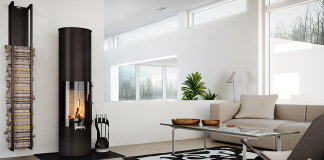

Flexible architraves have become one of the most innovative interior solutions in modern British homes and commercial spaces. As architectural styles evolve and designers increasingly embrace curved walls, rounded openings and bespoke features, traditional rigid mouldings are no longer suitable for every project. Flexible architraves offer a practical, elegant and highly adaptable alternative that allows homeowners, builders and interior designers to achieve seamless finishes in areas where standard MDF or timber profiles simply cannot perform. Their ability to bend, contour and follow the natural flow of a space makes them an essential component of contemporary interior design, and their popularity continues to grow throughout 2026.
Understanding Flexible Architraves and Their Purpose
Flexible architraves are specially engineered mouldings designed to bend and adapt to curved surfaces, rounded doorways and non‑linear architectural features. Unlike traditional architraves, which are rigid and limited in application, flexible versions are manufactured using durable, pliable materials that retain strength while offering exceptional versatility. This makes them ideal for modern interiors where curves, soft lines and organic shapes are increasingly favoured. Their purpose is not only functional but also aesthetic, providing a smooth, continuous finish that enhances the overall look of a room.
Why Flexible Architraves Are Essential for Curved Walls and Openings
Curved walls and rounded openings have become a defining feature of modern interior architecture throughout London. They create movement, soften transitions and add a sense of luxury to a space. However, these features present challenges when it comes to finishing edges and frames. Traditional architraves cannot bend without cracking or splitting, which often results in uneven finishes or costly bespoke carpentry. Flexible architraves solve this problem effortlessly. Their ability to contour smoothly around curves ensures a flawless finish that enhances the architectural design rather than detracting from it. This makes them essential for projects involving bay windows, arched doorways, curved staircases or bespoke interior layouts.
Enhancing Aesthetic Appeal with Seamless Finishes
One of the most significant advantages of flexible architraves is their ability to create seamless, uninterrupted lines throughout a space. In modern interiors, visual flow is crucial. Designers aim to create rooms that feel cohesive, balanced and harmonious, and coupled with MR Mouldings flexible architraves, they play a key role in achieving this. Their smooth curves and precise fit ensure that transitions between walls, openings and features appear intentional and refined. This enhances the aesthetic appeal of both residential and commercial interiors, making flexible architraves a preferred choice for architects and designers who value detail and craftsmanship.
Durability and Performance in Everyday Use
Flexible architraves are not only visually appealing but also highly durable. They are manufactured using robust materials designed to withstand everyday wear and tear, making them suitable for busy households, commercial buildings and high‑traffic environments. Their flexibility does not compromise their strength; instead, it enhances their ability to maintain structural integrity over time. This durability ensures that flexible architraves remain a long‑term investment, offering reliable performance without the need for frequent repairs or replacements.
Easy Installation for Professional and DIY Projects
Another reason flexible architraves are transforming modern interiors is their ease of installation. Whether fitted by a professional installer or a confident DIY enthusiast, flexible architraves are designed to be straightforward and user‑friendly. They can be cut, shaped and secured with standard tools, making them accessible for a wide range of projects. Their adaptability reduces installation time and eliminates the need for complex carpentry, which is particularly beneficial for renovation projects where curved features may not be perfectly symmetrical.
Pairing Flexible Architraves with Complementary Interior Mouldings
Flexible architraves work exceptionally well alongside other interior mouldings, particularly flexible skirting boards and MDF profiles designed for curved or irregular spaces. When used together, they create a cohesive and polished finish that enhances both the structure and the aesthetic of a room. Flexible architraves provide the adaptability needed to frame curved doorways, rounded openings and non‑linear architectural features, while matching skirting boards ensure the lower perimeter of the space follows the same smooth, continuous line. This combination is ideal for modern homes, period properties and bespoke interior projects where consistency, precision and design flexibility are essential. By pairing flexible architraves with high‑quality mouldings, homeowners can achieve a seamless, professional finish that elevates even the most awkward or challenging spaces.
Creating Bespoke Interior Features with Flexible Architraves
Modern interior design increasingly embraces bespoke features that reflect personal style and architectural creativity. Flexible architraves enable designers to push boundaries and create unique elements such as curved feature walls, rounded alcoves, arched niches and sculptural doorways. Their adaptability allows for greater experimentation, making them a valuable tool for achieving custom designs that would be difficult or impossible with traditional mouldings.
Improving Property Value Through High‑Quality Finishes
High‑quality finishes play a significant role in increasing property value, and flexible architraves contribute to this by elevating the overall appearance of an interior. Buyers and tenants are increasingly drawn to homes and commercial spaces that feature modern design elements, seamless transitions and premium materials. Flexible architraves help achieve these qualities, making properties feel more refined and professionally finished. Their ability to enhance both aesthetics and functionality makes them a worthwhile investment for developers, landlords and homeowners looking to improve long‑term value.
Why Flexible Architraves Are the Future of Interior Design
As architectural trends continue to evolve, flexible architraves are becoming a staple in modern interior design. Their ability to adapt to curved and irregular surfaces aligns perfectly with the growing demand for organic shapes, soft lines and bespoke features. They offer a practical solution that enhances both the visual and structural aspects of a space, making them an essential component of contemporary design. Their durability, versatility and ease of installation ensure they will remain a preferred choice for years to come, particularly as designers continue to explore new ways to incorporate curves and fluidity into interior architecture.
Conclusion: A Modern Solution for Modern Interiors
Flexible architraves have transformed the way designers, builders and homeowners approach interior finishing. Their adaptability, durability and aesthetic appeal make them one of the most valuable materials in modern construction and renovation. Whether used to enhance curved walls, create seamless transitions or support bespoke architectural features, flexible architraves offer a level of performance that traditional mouldings cannot match. As interior design continues to embrace fluid shapes and contemporary styles, flexible architraves will remain a leading choice for achieving high‑quality, visually stunning results.