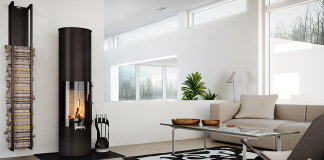

Renovating a home comes with an almost endless stream of decisions. Some are exciting, some are surprisingly difficult, and plenty involve deciding where your budget will have the biggest impact. Decorative details can transform a room, but they’re also relatively easy to change later.
The harder-working parts of your home deserve more thought. Flooring, heating, lighting, taps and worktops all face years of regular use, so choosing them carefully can save you from premature replacements and irritating compromises. If you are deciding where to spend more and where to economise, start with the features you will rely on every day.
Give Heating the Attention It Deserves
Heating rarely gets the same attention as paint colours or furniture during the early stages of a renovation, yet it affects how comfortable your home feels for a large part of the year. It also becomes much harder to alter once walls are finished, floors are laid, and furniture is back in place.
Think about heating while you are still planning each room. Consider where furniture will sit, how you use the space, and where a radiator can provide warmth without getting in the way. A large radiator in an awkward position may dictate where you put a sofa, desk or dining table for years.
Appearance matters too. Radiators are highly visible fixtures, so there is little point in carefully planning a room and then treating the heating as an afterthought. Companies such as UK Radiators offer stylish, modern heating options that can be considered as part of the wider interior scheme rather than something to disguise once decorating begins.
Pay particular attention to rooms where space comes at a premium. In a small bedroom, hallway or bathroom, the dimensions and position of the radiator can have a noticeable effect on the usable floor and wall space. Planning these details early gives you more freedom later.
Spend on Flooring That Suits Real Life
Few parts of a house work harder than the floor. Shoes, pets, spills, furniture, and daily foot traffic all take their toll, which makes flooring a sensible place to prioritise durability.
That does not mean buying the most expensive option available. Instead, match the material to the room. A beautiful floor that requires constant care may prove frustrating in a busy kitchen or entrance hall. Likewise, a cheaper surface that scratches easily or becomes hard to clean can turn into a false economy.
Before buying, think about how you genuinely live, not how you imagine the finished room looking in photographs. Do children regularly run through the hallway with muddy shoes? Does the kitchen open directly onto the garden? Do you have pets? These practical questions can tell you far more about the right flooring than current interior trends.
It also pays to think beyond the visible surface. Good preparation and professional fitting can make a considerable difference to how a floor looks and performs over time. Spending heavily on the material while cutting corners underneath it can undermine the whole investment.
Choose Worktops for the Way You Cook
Kitchen worktops occupy a large visual area, but their main job is practical. They handle food preparation, splashes, hot pans, appliances, and constant cleaning, often several times a day.
Choose a worktop based on the level of maintenance you are comfortable with. Some materials need more careful treatment than others, and a surface that looks impressive in a showroom may not suit a household that wants something forgiving and straightforward to clean.
Colour deserves practical consideration as well. Very dark, glossy or highly uniform surfaces can make crumbs, marks and fingerprints more noticeable. Samples are useful here, but view them in your own kitchen if possible. Natural and artificial light can make a finish look quite different from how it appeared under showroom lighting.
Most importantly, resist choosing a worktop purely because it is fashionable now. Kitchens often stay in place for many years. A material and finish that suit the architecture of your home and your everyday habits are likely to age more comfortably than something chosen to follow a short-lived trend.
Pay More Attention to Taps and Hardware
Small fittings can cause disproportionate annoyance when they don’t work well. Kitchen and bathroom taps are good examples. You may use them dozens of times throughout a normal day, so awkward controls, poor proportions or a finish that is difficult to maintain soon become noticeable.
Look beyond appearance when choosing them. Check how the handles feel, whether the tap gives enough clearance over the basin or sink, and whether its proportions suit the surrounding sanitaryware. Think about cleaning too, particularly if you are considering an intricate design with plenty of edges and joins.
The same principle applies to door handles, cupboard pulls and other frequently touched hardware. These details may seem minor within a renovation budget, but you interact with them constantly. Well-chosen hardware can make everyday tasks feel easier without drawing unnecessary attention to itself.
Plan Lighting Around What Happens in Each Room
A single central ceiling light rarely answers every need in a multifunctional room. Good lighting works in layers, giving you enough illumination for practical tasks while allowing a softer atmosphere at other times.
Start with what happens in the space. Kitchens need clear light around preparation areas. Living rooms benefit from lamps or wall lights for reading and relaxing. Bedrooms need switches and bedside lighting positioned where they are convenient, not just symmetrical.
Plan sockets, switches and lighting points before decorating. Moving them later can mean cutting into freshly finished walls, which adds cost and disruption. This is also the stage to consider where mirrors, artwork, wardrobes and larger pieces of furniture will go.
Lighting trends change quickly, so you do not necessarily need to spend heavily on every decorative shade. Put more of the budget into a practical lighting layout and suitable fittings. You can then replace decorative elements more easily when your tastes change.
Spend Where Future Changes Would Be Difficult
A useful renovation rule is to ask how disruptive a replacement would be. Paint, cushions and freestanding furniture can change relatively easily. Flooring, worktops, taps, fixed lighting and heating are another matter.
Spend more carefully on features that work hard, affect everyday comfort or require significant disruption to replace. Choose them for your home and lifestyle, not for a trend that happens to dominate your inspiration folder today.
A successful renovation should still feel good long after the decorating dust has settled. Get the hardworking details right first, and you can have far more fun changing the finishing touches whenever the mood takes you.