
On Ellaidhoo, in the North Ari Atoll, I found extraordinary marine life, a diving team to remember and a reminder that loving the ocean means wanting to protect it, too. Here’s what happened on my adventure.
Looking for where to stay? Check out Ellaidhoo Maldives by Cinnamon.

Welcome to Paradise
Taking your laptop on holiday is generally frowned upon. But when you’re sitting on a Maldivian island, looking out across water so impossibly turquoise it feels almost rude to describe it as simply blue, inspiration has a habit of striking.
I’m perched on the veranda at Dive & Sail on Ellaidhoo, beneath palm trees that bend lazily overhead. The sun spills across the lagoon, boats sway gently against their ropes, and the air smells exactly as it should on a desert island: sea salt, warm skin, sunshine and something wonderfully au naturel.
Beyond the veranda, the ocean shimmers in shades of blue that seem almost too beautiful to be real. Every so often, the light catches the water and turns it silver. There’s a gentle movement to everything here: the palms, the boats, the water lapping against the shore. Even time seems to have slowed to a more agreeable pace.
Welcome to the Maldives.
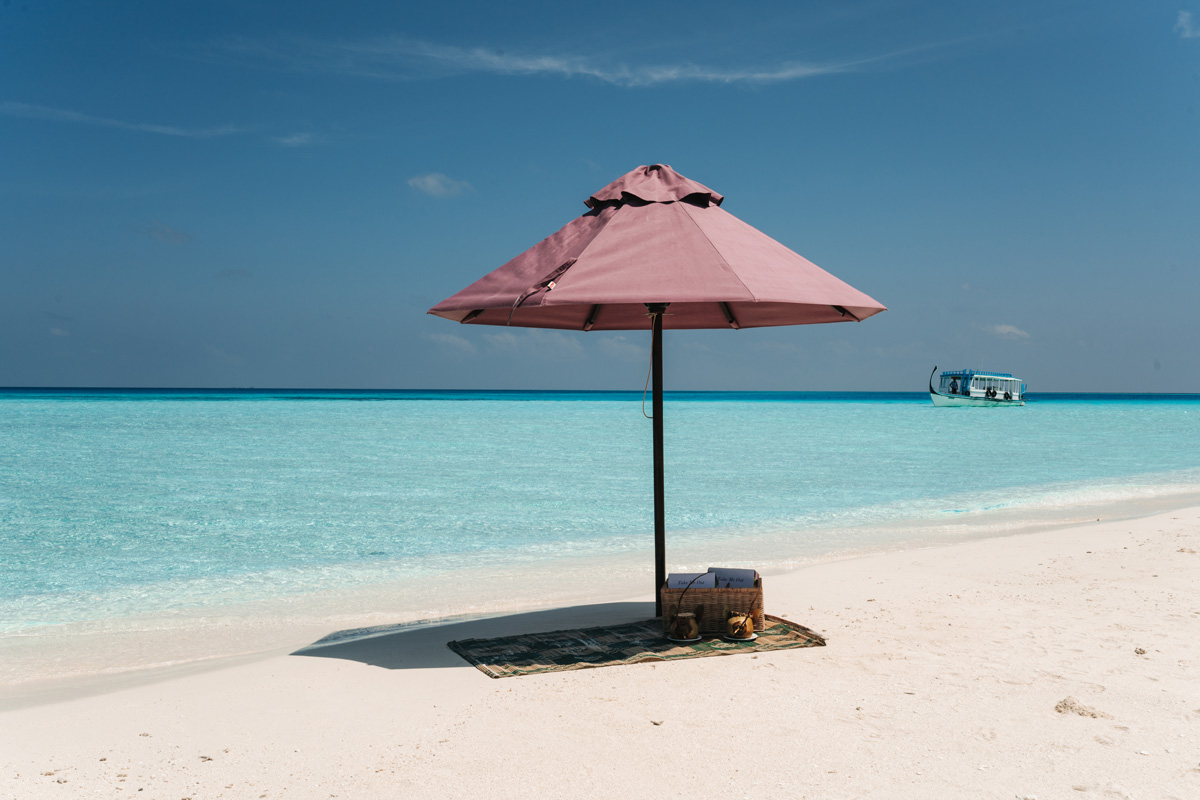
The Maldives comprises 26 geographical atolls and more than 1,000 coral islands, scattered across the Indian Ocean atop a vast underwater mountain range. An atoll is a ring shaped coral reef surrounding a lagoon, often dotted with islands and islets. It’s a landscape as extraordinary beneath the surface as it is above it.
And at Ellaidhoo, the ocean isn’t simply the view from your veranda. It’s the reason to get out of bed in the morning.
Actually, make that 6am.
“Here, the ocean feels less like a place you visit and more like a world you’ve been invited into”
Some of my happiest moments here aren’t spent on a boat or exploring a distant dive site. They were those early mornings when I wake up, slip out of my beach bungalow and head into the water for a snorkel just a few feet from shore.
The island is still waking up. The water is calm, the light soft, and the reef is already alive. Little fish dart between coral formations, the occasional shadow passed below, and the world above the surface feels wonderfully far away.
No complicated plans. No long journey. Just the stillness of the morning, astonishingly clear water and a reef waiting to be explored. London at 5am is a rather different proposition.
Scuba diving has been a dream of mine for as long as I can remember. Last year, I travelled to Mauritius and completed my PADI Open Water Diver course. I came home knowing I’d discovered something special, and I wanted to take it further.
For this trip, I’d chosen Ellaidhoo because I wanted more than a beautiful beach. I wanted a reef worth travelling for, experienced instructors, a house reef and the opportunity to develop my skills. I also wanted to know whether I was going to be eaten by a shark.
Yes, I actually asked the dive centre. I may be adventurous, but I’m not particularly interested in becoming a cautionary tale.
Stay at Ellaidhoo Maldives by Cinammon
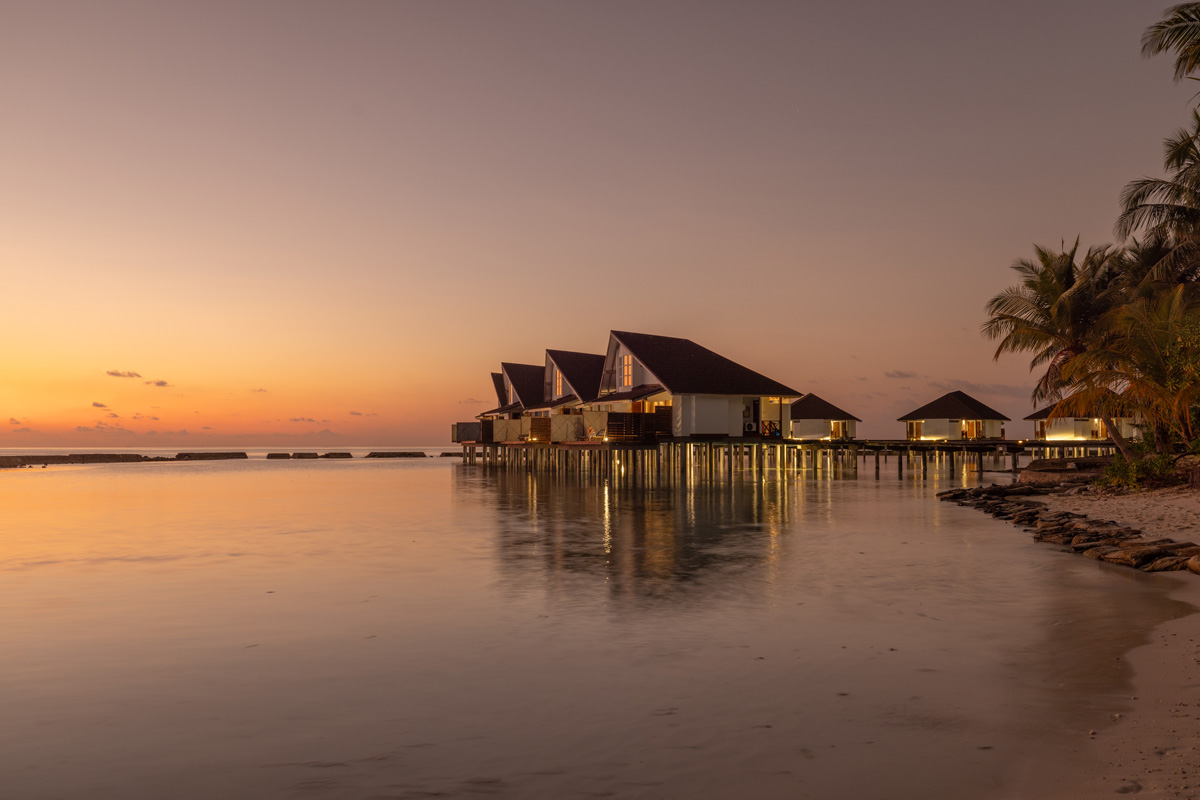
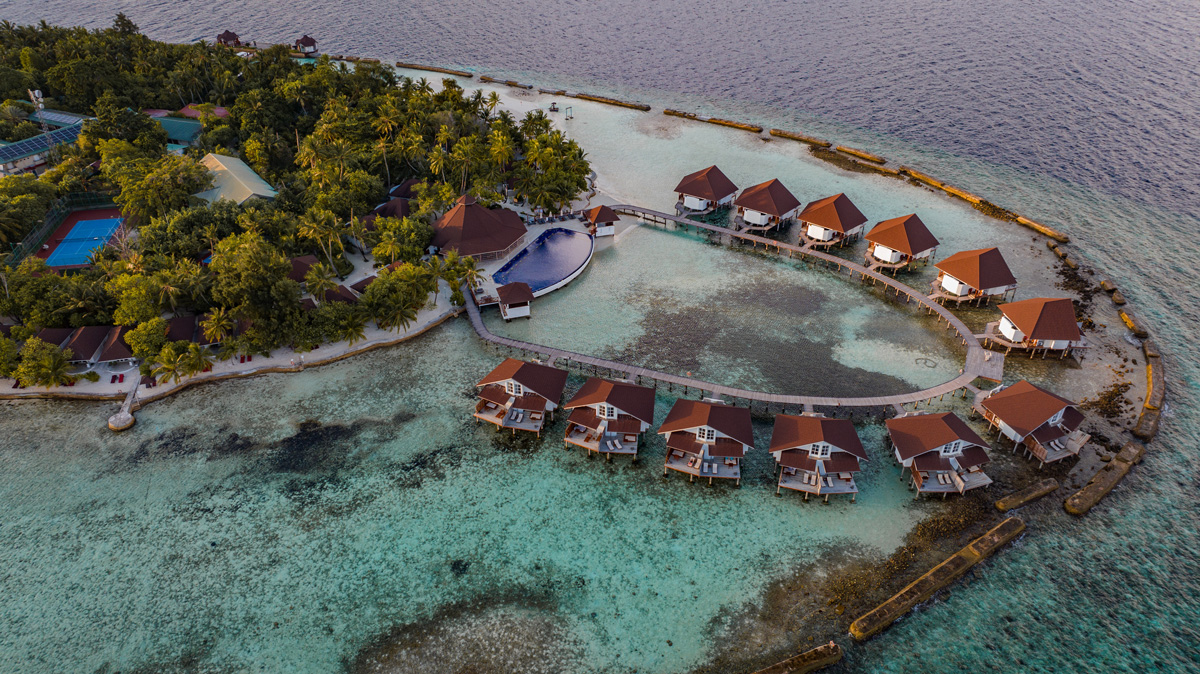
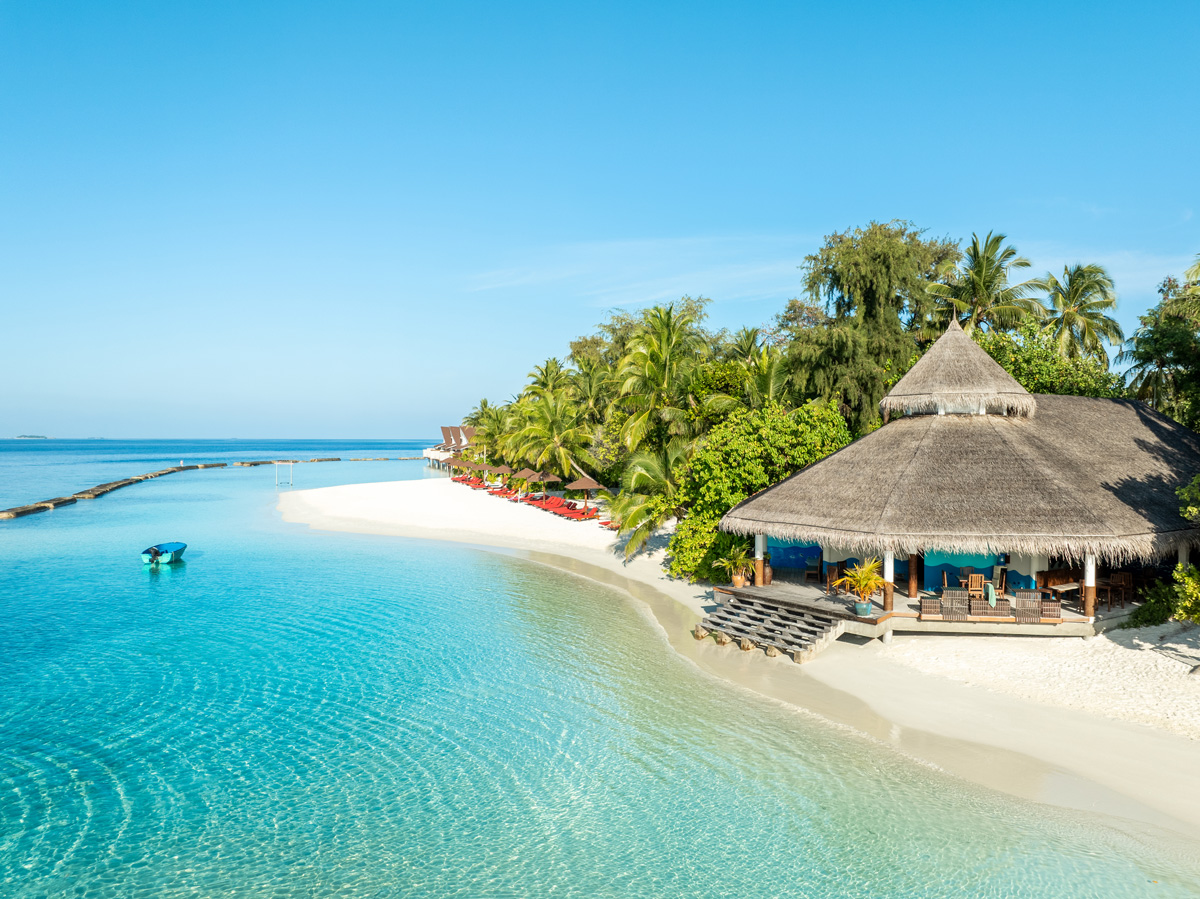
I’m staying the Ellaidhoo Maldives by Cinammon and it couldn’t be better for what I’m here to do. Set in the heart of the Indian Ocean, Ellaidhoo Maldives by Cinnamon is a tropical paradise that combines barefoot luxury with some of the Maldives’ most spectacular underwater experiences. Surrounded by turquoise waters and powder-soft white sands, this idyllic island resort is particularly renowned for its exceptional house reef, excellent gastronomy and endless opportunities for serenity. Whether you’re seeking adventure beneath the waves or simply want to unwind in a picture-perfect island setting, Ellaidhoo offers an unforgettable Maldivian escape.
Dive & Sail Ellaidhoo Island : Where the Magic Happens
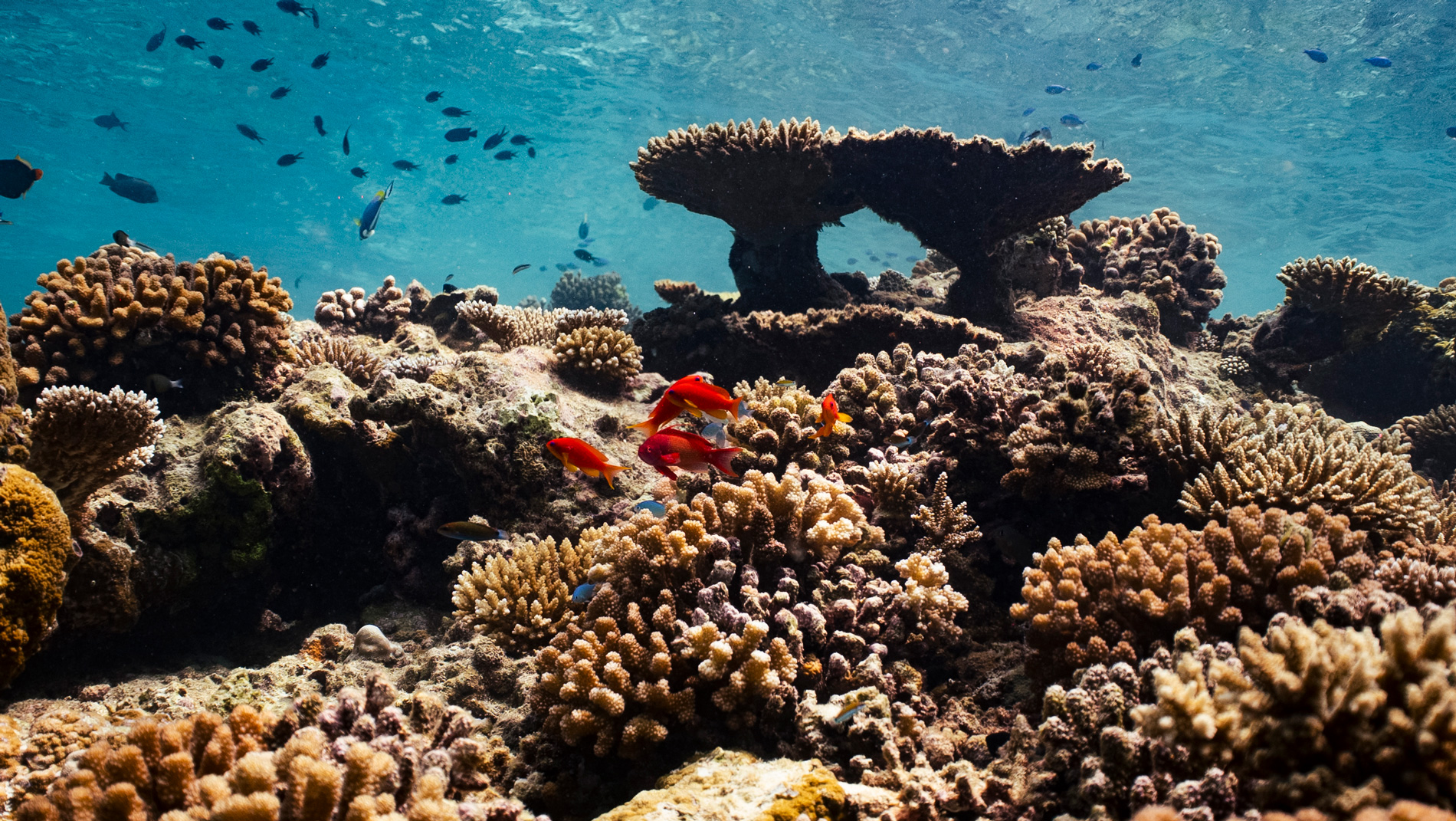
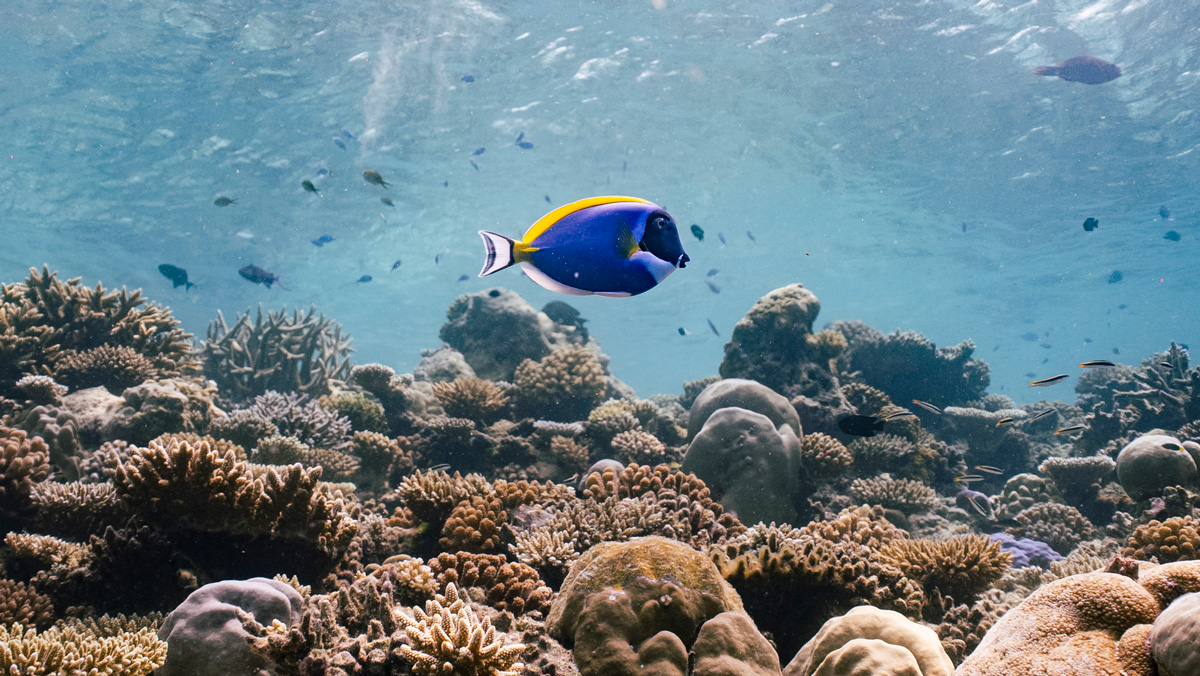
From the moment I arrived at Dive & Sail, it was clear that this was a team who genuinely loved what they did.
Dive & Sail is a PADI 5-Star Dive Centre located on Ellaidhoo Island in the North Ari Atoll. And its location is a big part of the appeal. Surrounded by the Indian Ocean, the island offers access to a remarkable underwater world, with coral reefs, steep walls, caves and a variety of dive sites attracting marine life from tiny reef fish to larger pelagic visitors.
For divers, the North Ari Atoll is an exciting place to be. Its underwater landscape offers considerable variety, from sheltered reef environments to deeper sites and submerged coral formations known as thilas. These underwater pinnacles can attract impressive concentrations of marine life, making them particularly appealing to divers hoping to encounter sharks, schooling fish and other visitors from the open ocean.
Dive & Sail offers access to around 45 local dive sites by boat, including well-known locations such as Maaya Thila, Fish Head and the Fesdu Wreck. Each offers a different perspective on the underwater world, and the choice means that diving needn’t become predictable, even over a longer stay.
But one of Ellaidhoo’s biggest attractions is much closer to home.
Ellaidhoo’s House Reef – Underwater Magic at Your Fingertips
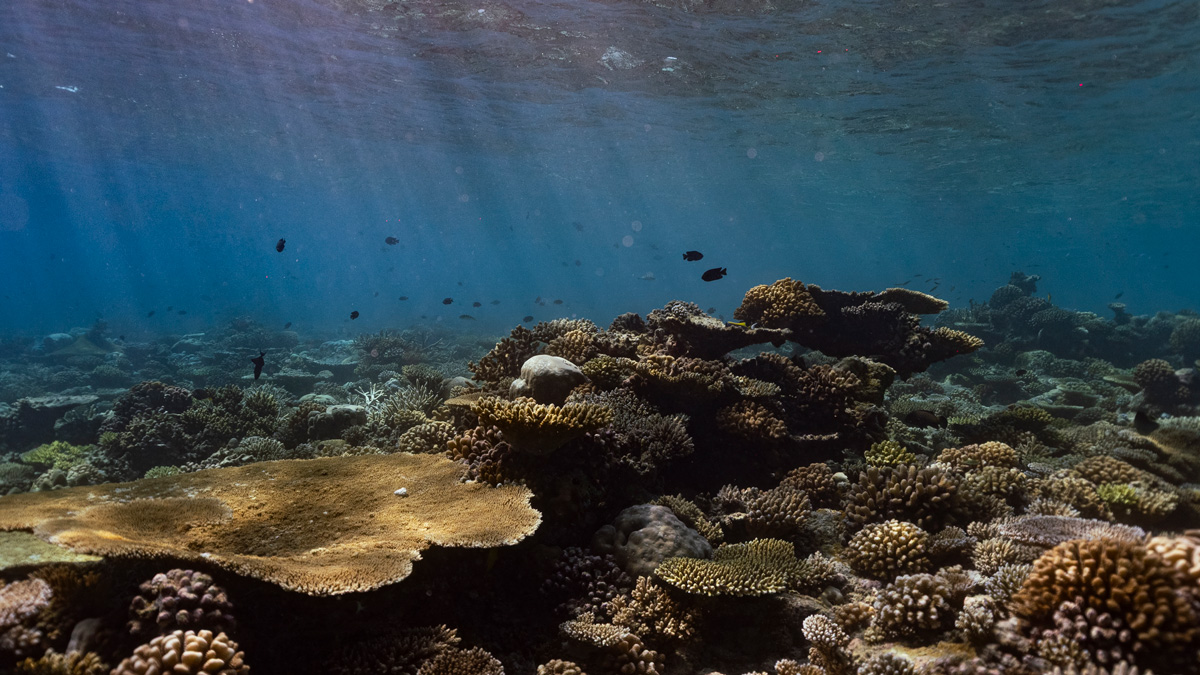
The island has its own house reef, which means you don’t always need to climb aboard a boat to experience the underwater magic. The reef features a steep wall descending to approximately 20 to 30 metres, caves, coral formations and a small cargo wreck. For anyone who loves being in the water, having such a varied underwater environment close at hand is a real luxury.
For me, that meant being able to enjoy those early morning snorkels before the day had properly begun, as well as heading out on organised dives to explore further afield.
The house reef is home to a variety of marine life, including reef sharks, turtles and colourful tropical fish. Experienced divers may also be able to explore it at different times, subject to the centre’s safety procedures and local conditions. It’s the kind of place that rewards repeated visits: look a little closer, stay a little longer, and there’s always the possibility of discovering something new.
For those keen to venture further, boat excursions open up a much wider range of underwater landscapes. Maaya Thila is known for its rich marine life, while Fish Head, also known as Mushimasmingili Thila, is another celebrated dive site. The Fesdu Wreck offers something different again, with an artificial structure that has become part of the surrounding marine environment.
The centre caters to divers at different stages of their journey, offering guided dives and PADI training from beginner courses through to advanced qualifications. Multilingual instruction, including English, German and French, helps accommodate its international community of divers.
Yet a dive centre is about much more than the sites it visits or the qualifications it offers. It’s also about the people you trust to guide you into an environment where you can’t simply stand up and take a breath.
And this is where Dive & Sail really stood out for me.
Instructors that go Above and Beyond
The instructors were knowledgeable and professional, the boat crew were just as passionate about the ocean, and everything felt organised around making each dive a safe and rewarding experience.
My instructor, Galia, deserves a special mention. I’ve privately christened her Scuba Barbie: the Lara Croft of the ocean. Completely at home underwater, impossibly calm and effortlessly competent, she makes diving look as natural as popping to the shops for milk. She also spoke many different languages.
I, meanwhile, was still very much in the stage of checking my equipment, remembering what came next and occasionally wondering why I’d voluntarily strapped several kilos of lead to my body.
As someone still building confidence underwater, I was particularly reassured by the team’s approach to safety. There was a current stick to help assess conditions, and a board divers returned to after each dive to confirm they were safely back. The boats were beautifully maintained, and the crew approached their work with the same care and enthusiasm as the instructors.
These might sound like small details, but when you’re exploring a world where you can’t simply stand up and take a breath, they matter enormously.
My first day began with a scuba review. Having not dived for a year, I needed to refresh the basics and demonstrate my skills before heading out. This wasn’t a case of dusting off my fins and declaring myself an aquatic superstar.
“Diving is not the place to bluff your way through a forgotten skill”
Once I was ready, it was time to descend.
There is something wonderfully absurd about arriving on a tropical island, strapping several kilos of lead to your body and deliberately sinking towards the ocean floor. And then, almost immediately, you forget how ridiculous it all is.
Below you, the reef disappears into blue. Lionfish linger between the rocks, their elaborate fins fanned out like tiny underwater show-offs. Fish flash past in bursts of colour, currents move around you, and shadows glide through the distance. The visibility was extraordinary. I could appreciate the detail of the reef beneath me while still seeing the vast blue world stretching beyond it. There was a sense of space that I hadn’t quite anticipated: the reef was full of life, but beyond it lay an expanse of ocean that seemed to go on forever.
On my first day, I encountered what felt like the entire cast of Finding Nemo, including enough Nemos to make me wonder whether the film’s animators had simply been on an extended research trip here.
I’ve met sharks, too. Before anyone starts composing a concerned message to my mother, they haven’t shown the slightest interest in eating me. I’ve also swum alongside a hawksbill turtle.
Ellaidhoo even has its own resident turtle, Tripod. He has three fins and, according to the story shared with me, isn’t quite strong enough to undertake the great migration with other sea turtles, so he stays around the island.
There’s something strangely moving about that. In a world where we’re constantly encouraged to go further, move faster and achieve more, Tripod seems to have found his place right here.
Choosing a favourite reef is an impossible question. Every dive day brought something different, and even the fish seemed to behave differently from one day to the next. Each dive offered its own little surprises, reminding me that the ocean doesn’t perform to a schedule.
By the end of my stay, I’d passed my PADI Advanced Open Water Diver course.
I was absolutely delighted. I’d arrived wanting to improve my skills and left feeling more confident, more capable and even more curious about what lay beneath the surface.
And the best part? I’ve already booked my return flights.
I think that tells you everything you need to know.
The Joy of doing Absolutely Nothing
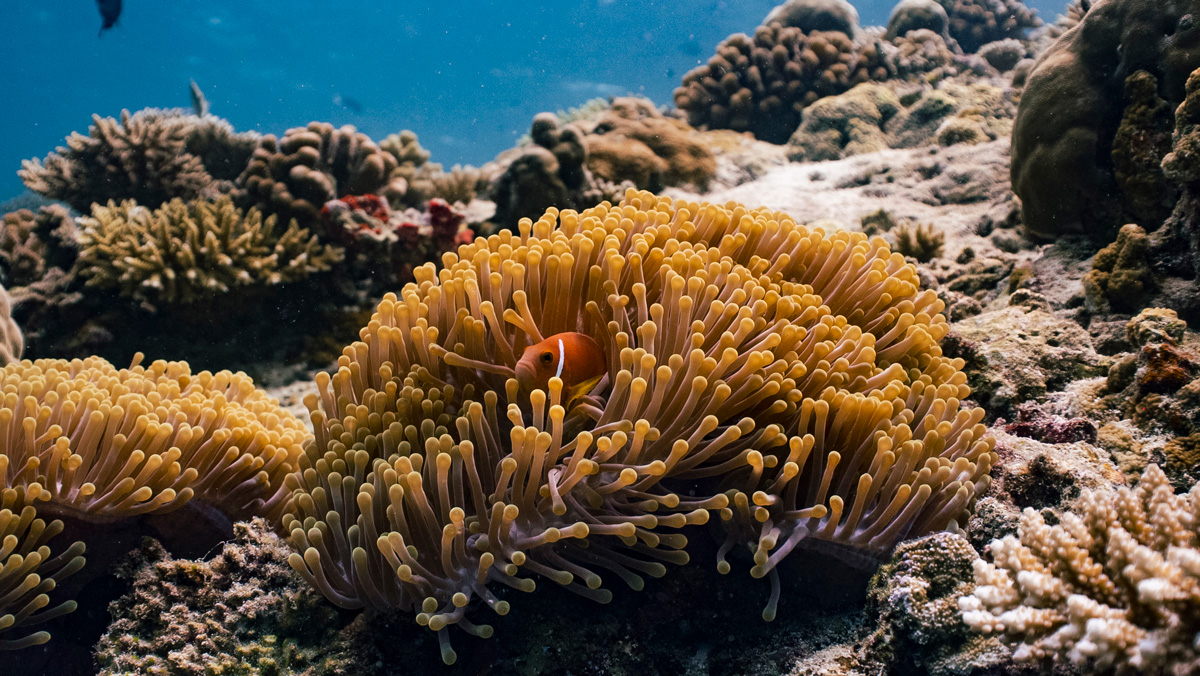
Ellaidhoo offers plenty beyond diving. Dive & Sail also arranges a selection of ocean excursions, from dolphin watching and fishing trips to sandbank picnics and visits to nearby islands. I’d seen photographs of the experiences available, and several immediately went onto my mental list for next time.
I didn’t book them all. I know this is practically heresy in the age of the perfectly curated itinerary, where every hour of a holiday must apparently produce a photograph, an adventure or a life-changing revelation. But I wanted time for myself, too.
Diving is exhilarating, but it can also be overwhelming, particularly when you’re still learning. There’s the equipment, the skills you’re trying to master, the marine life competing for your attention and the sheer wonder of being in a world that feels entirely different from the one you left behind. I wanted time to absorb it all. Sometimes that meant another dive. Sometimes it meant sitting quietly, documenting my memories and looking through my photographs. And sometimes it meant doing absolutely nothing beyond enjoying the fact that I was exactly where I wanted to be.
There is a freedom in following your own rhythm. You can change your mind, linger over a moment and let an experience settle rather than immediately rushing towards the next one.
Somewhere along the way, I’d stopped feeling that I needed to fill every moment with something productive. The ocean was there. The sun was shining. I had nowhere particularly urgent to be. For once, that was enough. The excursions can wait. I’ve already booked my return flights, after all.
Beneath the Beauty: Restoring the Reef
The more time I spent underwater, the more I wanted to understand what I was looking at. It wasn’t enough to marvel at the fish, follow a turtle or surface from another incredible dive with a grin I couldn’t quite shift. I wanted to know what kept this extraordinary world alive, and what was being done to protect it.
That curiosity led me to Tharushi, Ellaidhoo’s marine biologist. Originally from Sri Lanka, Tharushi grew up surrounded by nature, and her early fascination with aquatic life eventually became a career in conservation. Her work has taken her through freshwater ecosystems, endangered fish, marine research and environmental education.
At Ellaidhoo, she sees an opportunity to bring science into tourism, turning the reef into what she calls a living classroom.
“When you first look at a coral reef, you see something beautiful and colourful,” she explains. “But when you start observing it scientifically, you begin to see a much more complex world.”
There are herbivorous fish grazing on algae, tiny invertebrates recycling nutrients and countless interactions between corals and the organisms around them. Even the smallest creatures play a role in maintaining the health of the reef.
Tharushi describes it as an entire city functioning beneath the surface. Suddenly, the reef becomes more than a beautiful place to swim through. It’s a living system, with its own delicate balances and an extraordinary capacity to recover when conditions allow.
But those conditions are becoming increasingly difficult to maintain.
The 2024 coral bleaching event was particularly distressing for Tharushi and her colleagues. When corals experience prolonged heat stress, they can lose the microscopic algae that provide much of their energy, causing them to turn white. Bleached coral isn’t necessarily dead, but severe or prolonged stress can leave it weakened and unable to survive.
For Tharushi, watching colonies she’d monitored become severely stressed, and some ultimately die, was very different from reading about bleaching in a scientific report.
Climate change and rising sea temperatures remain among the biggest long-term threats to coral reefs. Restoration can help, but no resort or individual scientist can solve the problem of warming oceans alone.
At Ellaidhoo, the work includes coral restoration, reef and biodiversity monitoring, bleaching assessments and research involving organisations such as the Maldives Marine Research Institute.
One initiative particularly caught my attention: Adopt a Coral.
Adopt a Coral
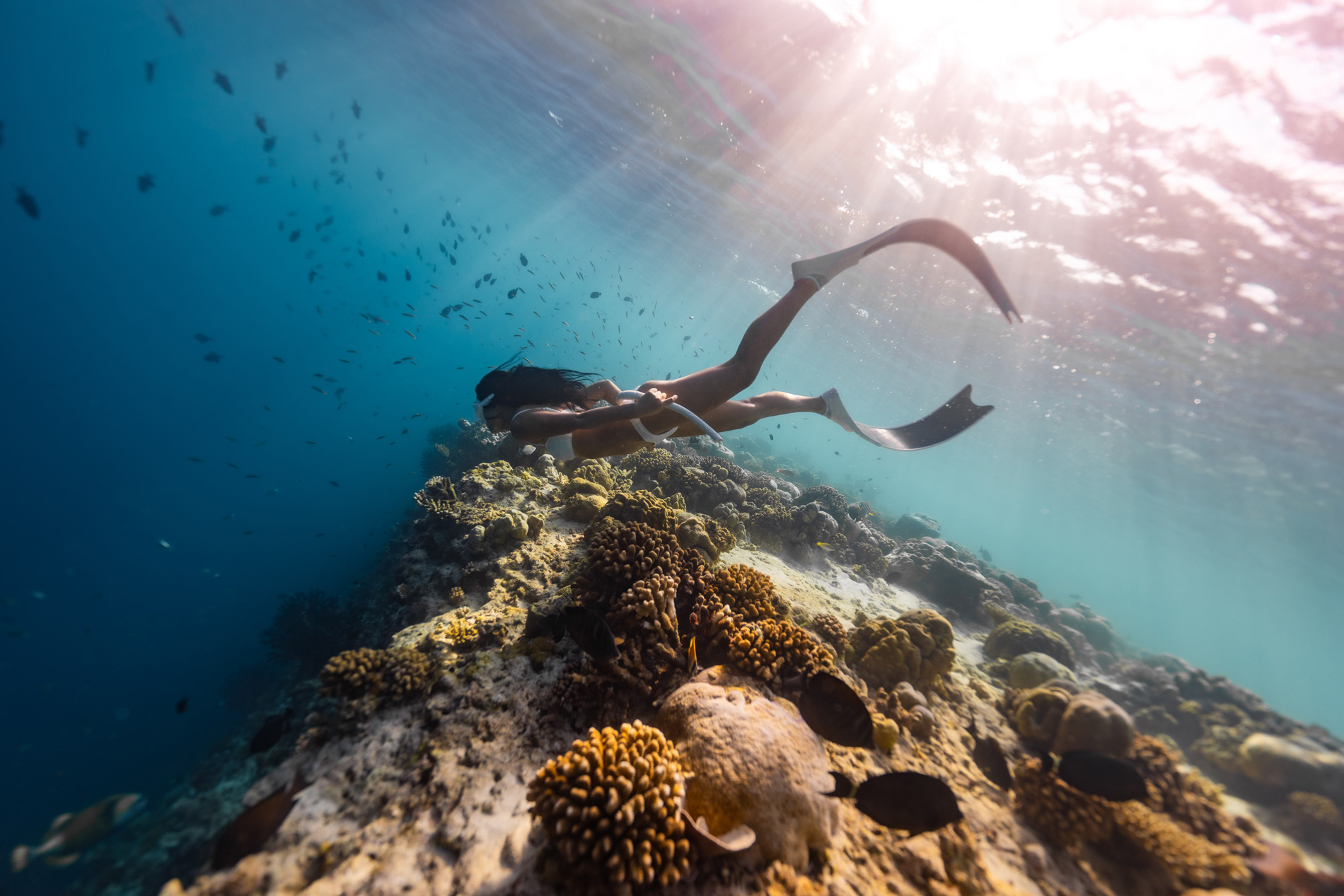
The concept is wonderfully tangible. A cube-shaped structure is placed underwater, with coral fragments attached to it, giving them a place to grow and potentially contribute to the wider reef ecosystem.
Think of it as laying the foundations for a new underwater neighbourhood.
I will definitely be adopting a coral. There’s something special about contributing to a project that continues long after a holiday ends, a living initiative that needs time, care and the right conditions to flourish.
Of course, nature doesn’t work to a holiday itinerary. Coral restoration isn’t a quick fix for climate change, and placing a structure underwater doesn’t guarantee success. The corals need suitable conditions to survive and grow, while the wider reef needs protection from the pressures threatening it.
Tharushi is clear about this.
“We cannot manufacture a functioning reef ecosystem,” she explains.
The aim, she says, is to create the right conditions for nature to recover, adapt and rebuild. Success isn’t simply about how many corals are planted; it’s about whether they survive, reproduce and become part of a functioning ecosystem.
I find that perspective refreshing. The ambition isn’t to conquer nature or manufacture a substitute for it. It’s to give the natural world the best possible chance to flourish. And perhaps that’s what makes the work so important. The same reef that gives visitors such extraordinary experiences is a living ecosystem that needs care, patience and protection. Its future matters long after the last holiday photograph has been taken.
Tharushi’s message to divers and snorkellers is straightforward: maintain good buoyancy, keep a safe distance from the reef, never touch or collect marine life, and be mindful of your fins and body position.
Corals are living animals. They may look like rocks, but they can be incredibly fragile and often take years to grow. A careless fin kick, a hand placed on the reef for balance or a foot landing on shallow coral can cause damage in seconds.
Multiply that small moment by thousands of visitors, and the cumulative impact becomes significant.
It’s a sobering thought when you consider how many of us travel halfway around the world to experience precisely these environments. We arrive wanting to see the beauty, to photograph it, to swim through it and to carry home memories of something extraordinary. But the privilege of being there comes with a responsibility to leave it as undisturbed as possible.
I live in London. We don’t exactly have coral reefs on our doorstep. But perhaps that’s precisely why I should care. Distance shouldn’t determine whether something matters.
We cannot individually lower the temperature of the Indian Ocean, but we can reduce the damage we cause, support meaningful conservation and learn to interact more responsibly with the environments we visit.
Tharushi believes that education is one of our strongest conservation tools. When visitors understand what they’re looking at, the experience changes. They don’t just see a coral; they understand that it’s a living animal. They don’t just see bleaching; they begin to understand what caused it and why it matters.
And perhaps that’s the real value of combining science with tourism. A holiday can be more than relaxation. It can be an opportunity to learn, discover and develop a deeper connection with the natural world.
I arrived wanting to see what lay beneath the turquoise water. I hadn’t expected to come away thinking quite so much about what happens to it when we’re not there.
Until next time…
I came to Ellaidhoo to improve my diving, encounter the marine life I’d spent years dreaming about and experience one of the world’s most extraordinary underwater environments.
I left with my Advanced Open Water qualification, photographs and memories I’ll treasure, and a newfound appreciation for the people working to protect the reef.
Perhaps the biggest lesson was that loving the ocean means more than wanting to spend time in it. It means respecting the environment, understanding its fragility and wanting it to be there for the next person, too. I’m still the diver who gets ridiculously excited about seeing a turtle. I suspect I always will be. I’m still learning, still asking questions and still discovering how much there is to understand.
But now, when I think about the reef, I think not only about its extraordinary beauty but also about the people working to protect it, one coral and one guest at a time.
I think about Galia, calmly guiding me through the water while I try to look as though I know exactly what I’m doing. I think about Tharushi, working to give damaged reefs a better chance of recovery. And I think about Tripod, going about his life in the waters around Ellaidhoo, entirely unconcerned with my need to make every moment count.
Perhaps that’s part of what the Maldives gives you: a different perspective on time, on nature and on what it means to be somewhere truly extraordinary.
The ocean can inspire you with its beauty, surprise you with its wildlife and give you moments of such extraordinary stillness that the world above seems impossibly noisy by comparison.
It can also make you care about what happens next.
And that, surely, is worth diving for.
https://diveandsailmaldives.com/