

While Maryland might not be as famously known for its wine as regions such as Napa Valley or neighbouring Virginia, it doesn’t mean it’s a state to sleep on. In fact, with over 100 wineries and four distinct wine regions, including vineyards that are increasingly winning national and international acclaim, there has never been a better time to try Marlyand wine.
And few families are helping to define its future quite like the siblings behind Old Westminster Winery and Burnt Hill Farm. Drew Baker and his sisters, Ashli Johnson and Lisa Hinton, have built something that goes far beyond a traditional winery, combining experimental, low-intervention winemaking with regenerative farming, livestock, orchards and beekeeping.

Rather than trying to replicate the established wine regions of California or Europe, the family has embraced Maryland’s diverse terroir and its freedom from preconceived ideas, creating wines that reflect a genuine sense of place and curiosity. But their story is about much more than wine. Drew’s battle with leukemia, which saw him spend more than 450 days at Johns Hopkins and his sisters become his bone marrow donors, profoundly reshaped the family’s perspective on life, work and what it means to build something meaningful together.
Here we speak to Drew on behalf of his sisters about family, farming, sustainability and the future of Maryland wine. Plus, he gives some tips for Seen in the City readers on where you need to go to eat and drink while in the area.
Old Westminster Winery has played a huge role in changing perceptions of Maryland wine. What inspired you to embrace your local terroir rather than follow more traditional winemaking styles associated with regions like California?
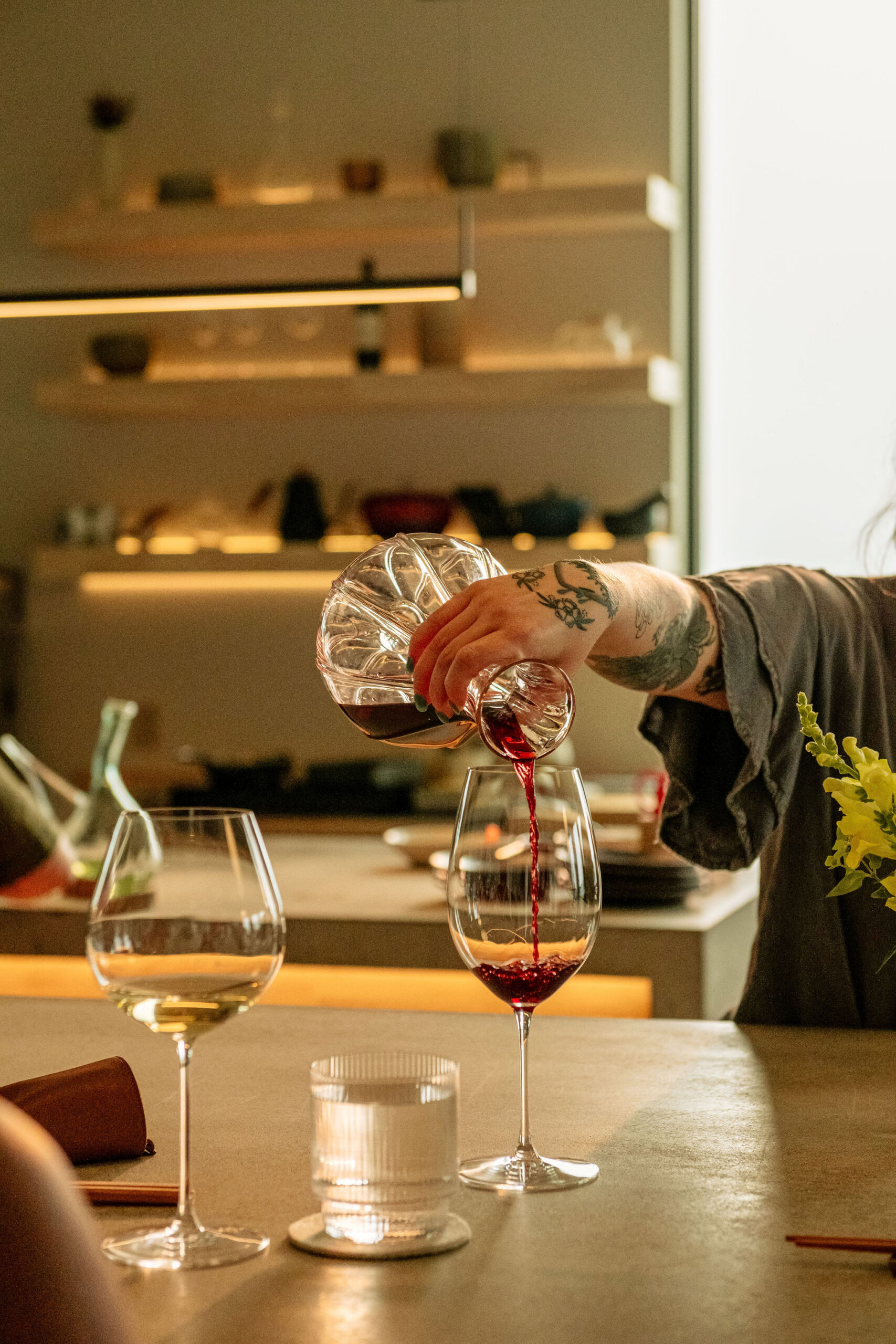
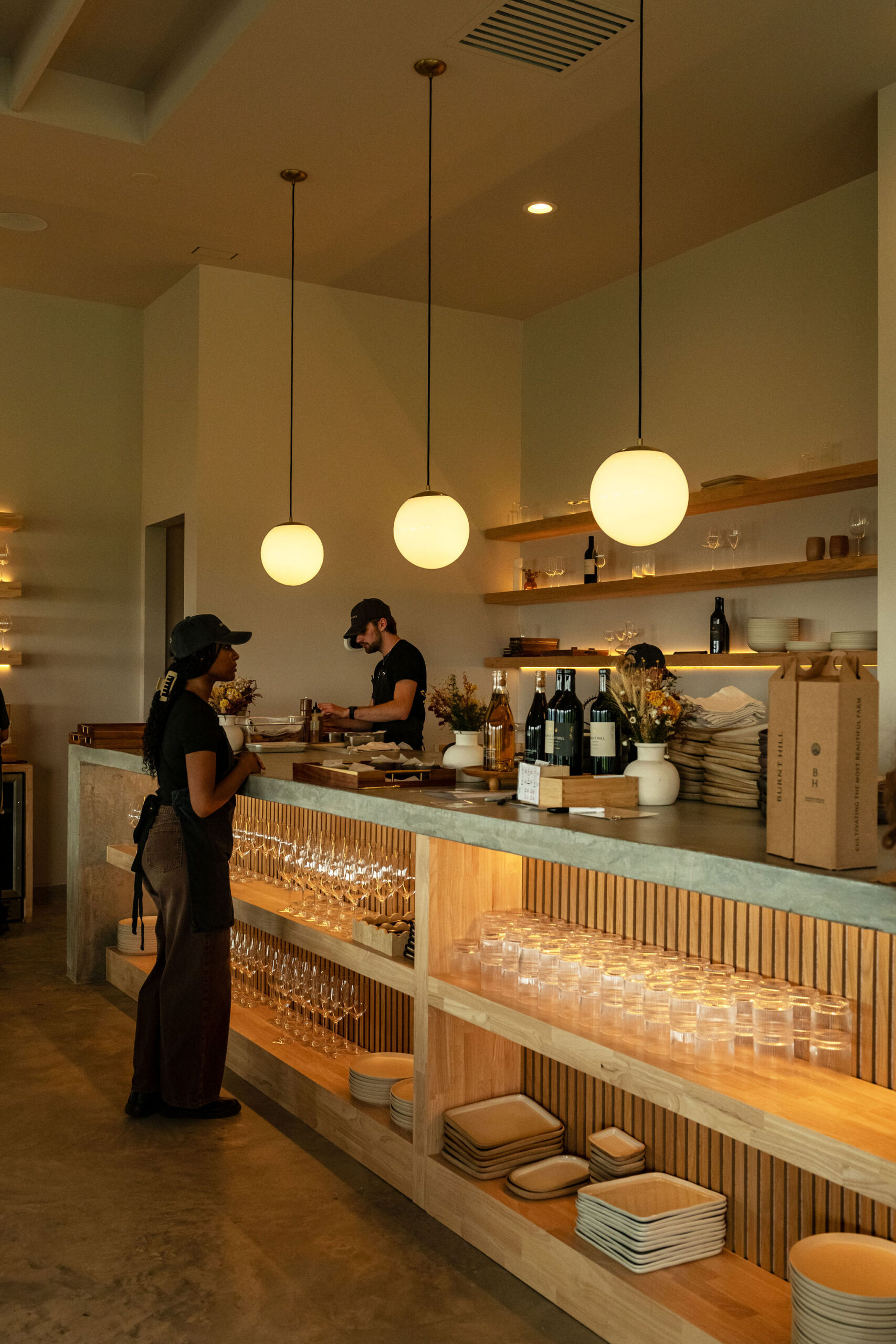
Maryland is often called “America in Miniature.” Its diverse soils and microclimates, smaller scale, and less-defined identity give us the freedom to make wines with a fresh sense of discovery. Rather than imitate California or another established wine region, we saw an opportunity to embrace what’s uniquely ours. The lack of preconceived expectations is incredibly fun and freeing, allowing for maximum creativity while giving us the chance to help shape the story of what Maryland wine can be.
As siblings, you’ve chosen to build a business together rather than pursue separate careers. What has been the greatest strength (and perhaps the biggest challenge!) of working as a family?
Working together is the privilege of my lifetime. We’re siblings, business partners, and both of my sisters became my life-saving bone marrow donors as I battled leukemia.
Alignment on the goal is non-negotiable. When we’re aiming at the same target, our complementary skill sets amplify everything we can accomplish. When we’re not aligned, it can be incredibly challenging—but that’s true of any partnership, and perhaps even more so when you’re family.
The winery has become known for its experimental, low-intervention approach to winemaking. How do you strike the balance between respecting tradition and pushing boundaries? What is your personal favorite wine you’ve produced?
We make what inspires us. If we love it, we do it. Like the best art, the audience’s reception is secondary to the act of creation. My favourite wine we’ve ever made is our 2014 pét-nat Albariño (a sparkling wine), inspired by my honeymoon in the Loire Valley with my wife, where I first discovered ancestral-method wines.
Burnt Hill Farm has expanded beyond vineyards to include regenerative farming, livestock, orchards, and beekeeping. Why was it important to create a more diverse ecosystem, and what impact has that had on the land and your wines?
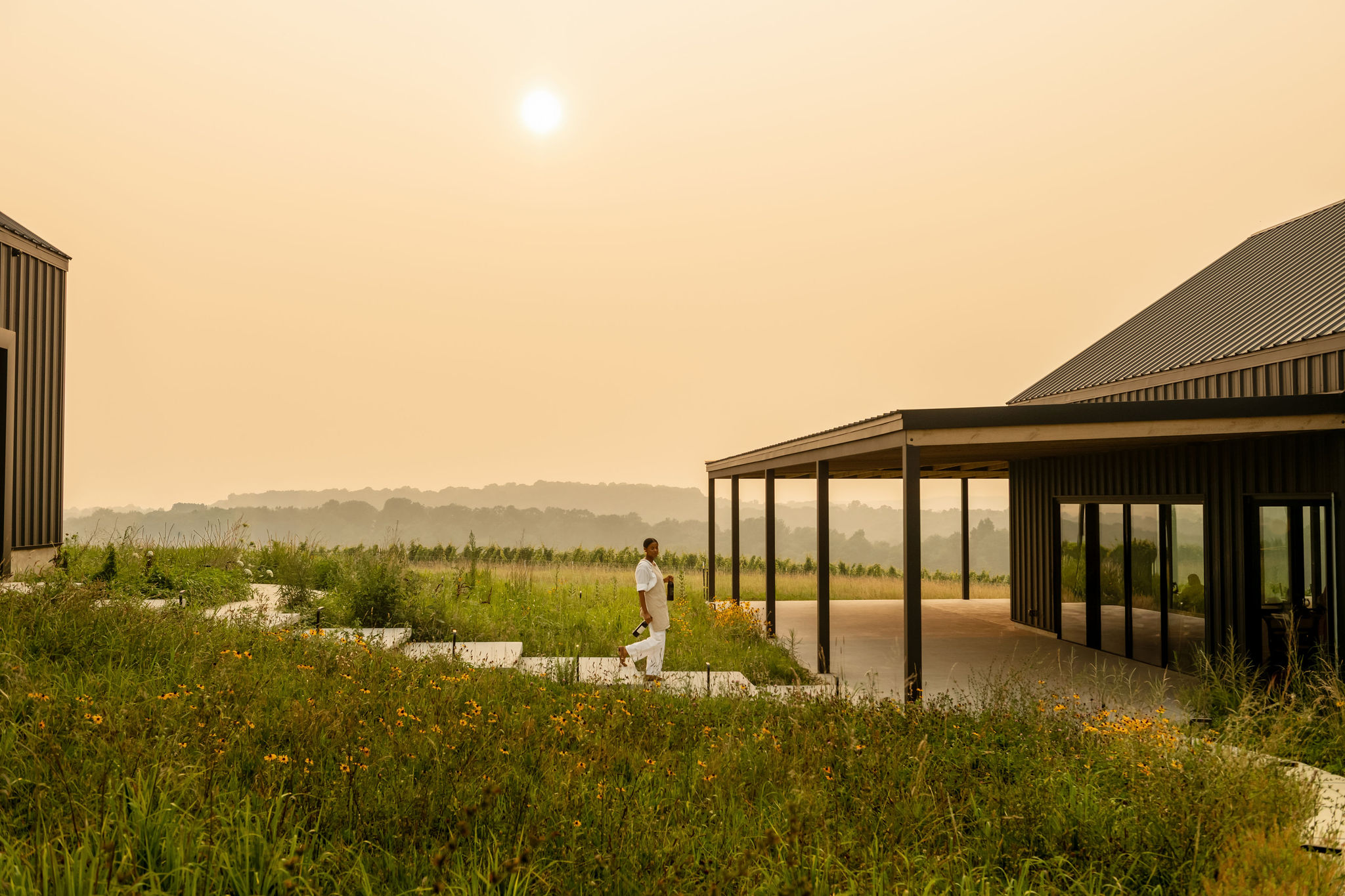
Burnt Hill’s mission is to cultivate beauty through polyculture. We raise animals, grow food and wine, and create a place where people can experience joy. It’s much bigger than wine. It’s about leaving the land better than we found it, bringing people together, and hopefully creating some beautiful bottles along the way.
Sustainability is becoming increasingly important to travelers and wine lovers alike. What do you hope visitors take away after experiencing the farm and winery firsthand?
I hope visitors leave feeling that every detail has been thoughtfully considered. The wine, food, and farming, obviously, but also the tableware, glassware, art, fermentation vessels, and every other detail. Everything has a connection to the land and contributes to the overall experience.
Your family’s journey through Drew’s leukemia diagnosis and recovery is incredibly moving. How did that experience change your perspective on life, your relationships with one another, and the way you approach the business today?
That’s such a big question! It’s difficult to summarise an experience that profound. Spending more than 450 days at Johns Hopkins taught me patience and gratitude in ways I could never have imagined. It clarified what matters, challenged me spiritually and emotionally, deepened my love for my family, and made working alongside my sisters feel even more sacred because they were also my bone marrow donors.
It also changed how I think about business. I’m less interested in waiting for the perfect moment and more committed to creating something meaningful while we’re here.
You’ve previously spoken about how the challenges you faced together strengthened both your family and your business. What lessons from that period continue to guide your decisions today?
Happiness is an attitude. It’s a choice we make every day, regardless of circumstance. That lesson continues to guide how I approach my family, our work, and the future.
Maryland may not be the first destination that comes to mind for wine tourism, yet you’ve helped put it firmly on the map. What makes the region such a special place for wine lovers to discover?
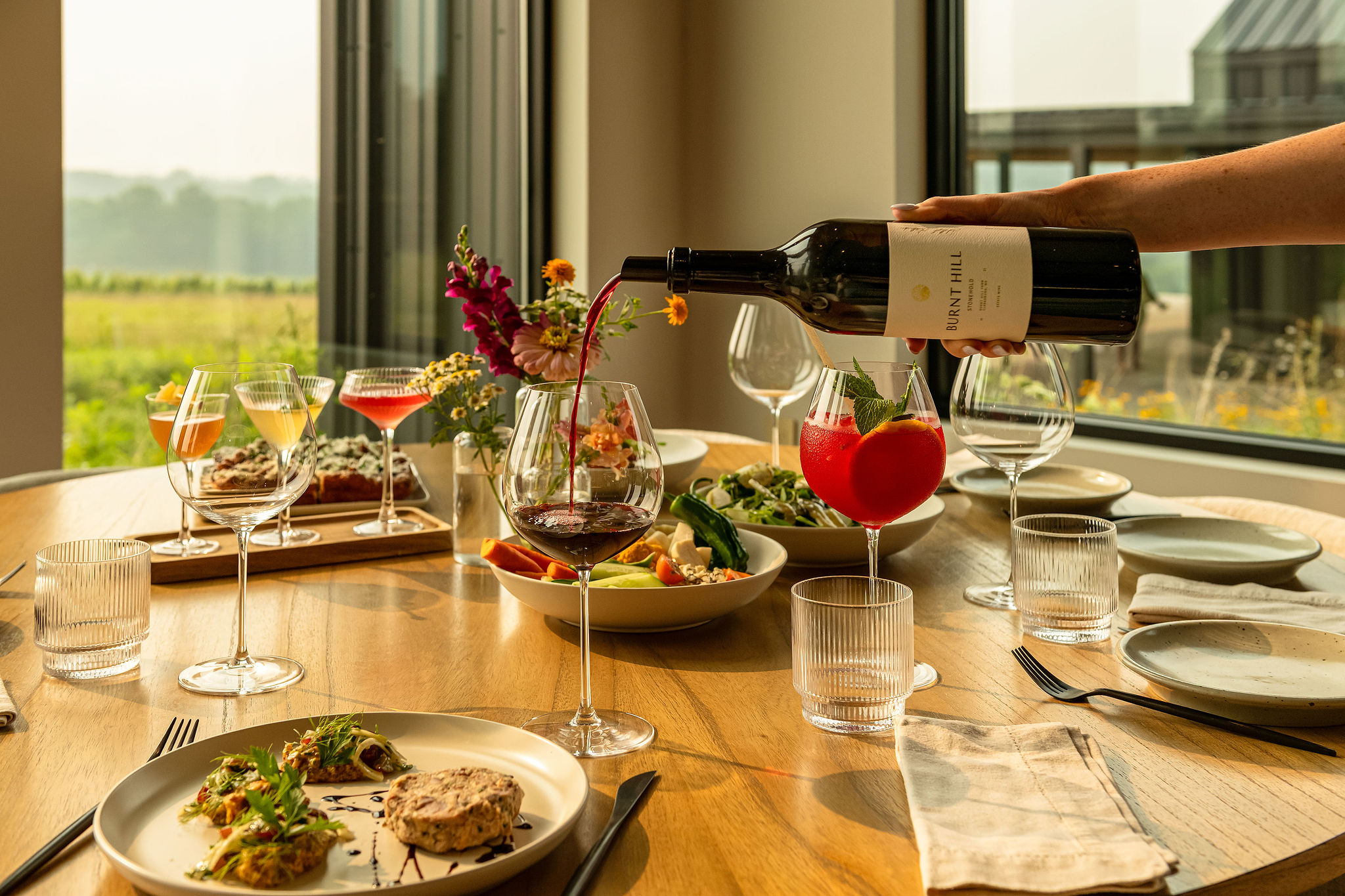
Maryland still feels like a new frontier. There’s a real sense of discovery here, with producers, places, and styles that have not yet been fully defined. That makes it an incredibly exciting region to explore, especially for travelers who enjoy finding remarkable places before everyone else does.
For readers planning a visit, what experience do you hope every guest has when they come to Old Westminster Winery or Burnt Hill Farm? Is there something they absolutely shouldn’t miss?
I hope they experience joy. Regenerative farming, wine, food, and hospitality are all tools to create meaning, connection, and moments people carry with them long after they’ve returned home.
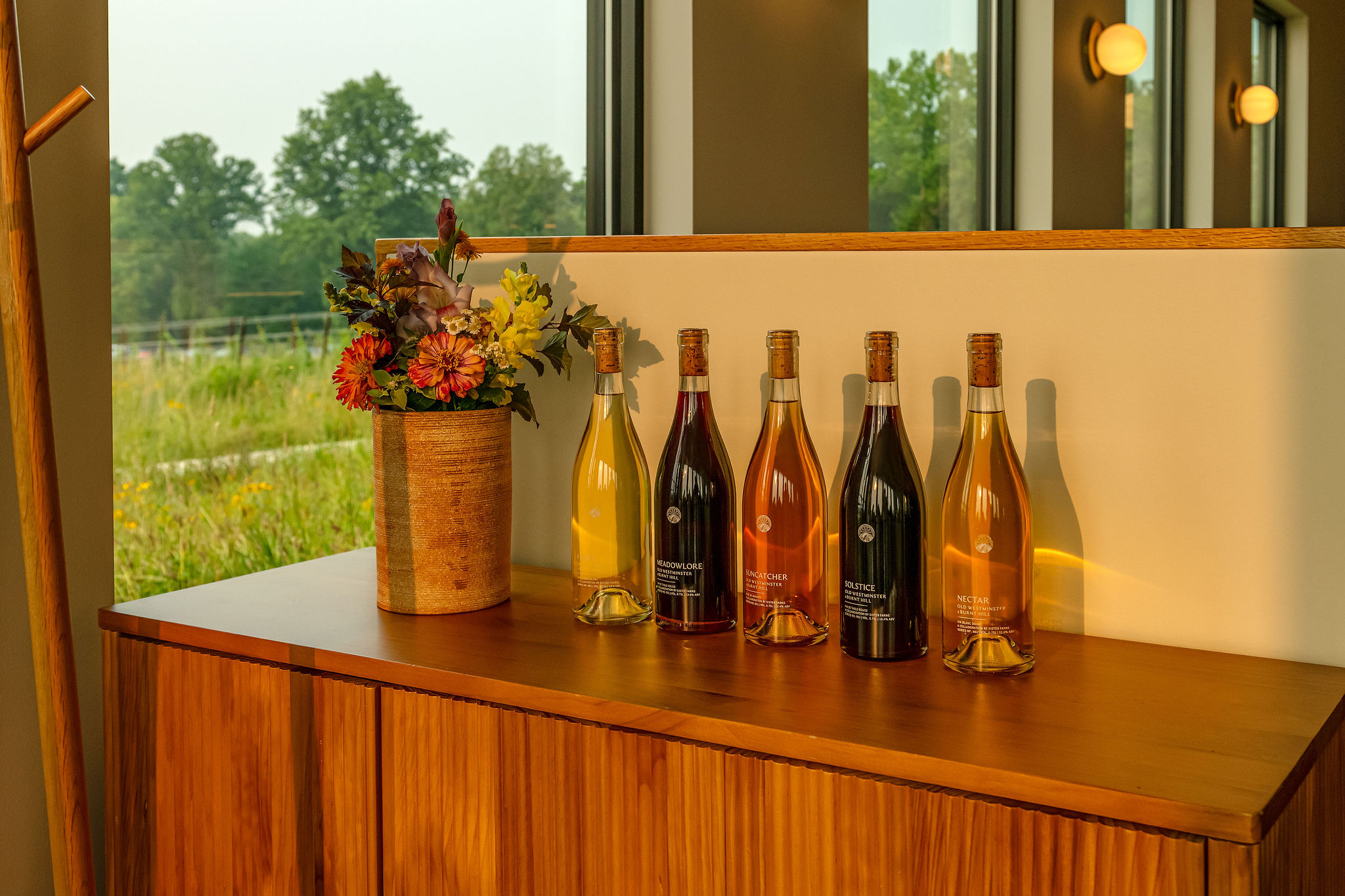
Where else would you recommend Seen in the City readers go to eat and drink while visiting Maryland?
Sassafras on Maryland’s Eastern Shore, full stop. It’s one of the best restaurants in America, and Chef Paul Edward is building something very special.
Looking ahead, what excites you most about the future of Old Westminster Winery, Burnt Hill Farm, and the wider Maryland wine industry over the next decade?
Coming of age. The table is set, and now we have the privilege of enjoying the fruits of our labor while sharing Maryland wine with the world.