

Loft conversions are a practical and innovative way to increase living space without altering your home’s footprint. By transforming your loft, you can add value, comfort, and functionality to your property, especially in bustling cities like London. In 2026, smart design and regulatory awareness are guiding choices more than ever.
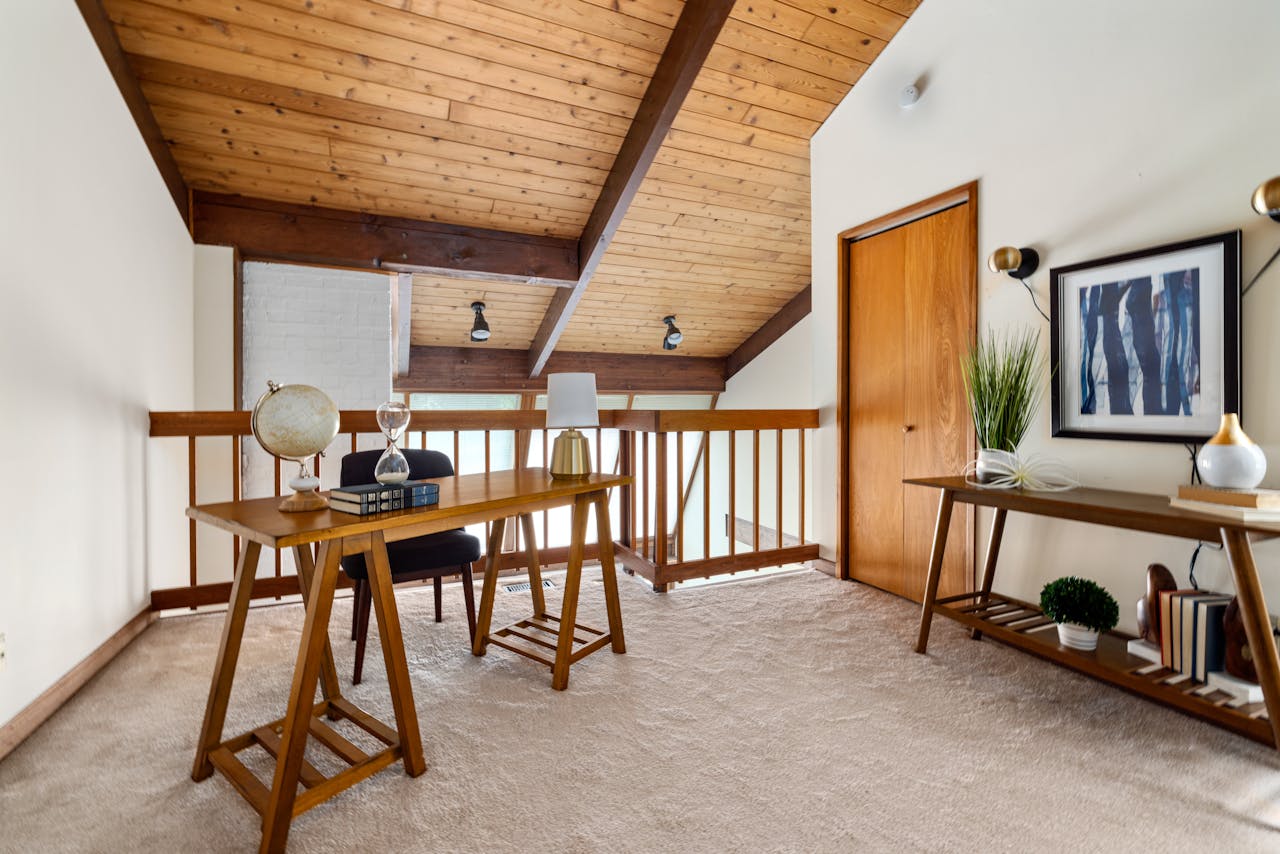
Popular Loft Conversion Types Explained
Dormer Loft Conversions for Versatility
Dormer loft conversions remain a desirable choice across London due to their versatility and value. By building a box-shaped extension from the existing roof, this approach maximises available head height and floor space. Dormer options suit most property styles, including the classic Victorian and Edwardian terraces found across the capital.
Why Dormers Appeal in London
We have seen homeowners opt for dormer conversions to create spacious bedrooms, office suites, or children’s playrooms. According to the Office for National Statistics (ONS), demand for home office space rose by 29% in central London between 2021 and 2024. Dormers cater to this trend, delivering generous light through large windows and blending well with existing architecture.
Mansard and Hip-to-Gable Conversions
Mansard loft conversions change one slope of the roof into a near-vertical wall, providing substantial room for en suite bathrooms and dual-aspect windows. Hip-to-gable conversions replace a sloping side roof with a straight wall, creating additional usable space, especially in semi-detached homes common in South London.
Regulatory Considerations
Most loft conversions in London qualify as permitted development if they meet height, volume, and materials matching requirements. However, for flats, listed properties, or conservation areas, you may need formal planning permission. Always confirm with a Lawful Development Certificate.
Key Takeaways
- Dormer: Maximises light and headroom; ideal for bedrooms and offices.
- Mansard: Suitably large for bathrooms or studios; distinct external look.
- Hip-to-gable: Effective for end-of-terrace or semi-detached homes.
Current Design Trends Transforming Loft Spaces
Eco-Friendly and Smart Integrations
Homeowners are increasingly selecting sustainable solutions for their loft conversions. Features such as sheep’s wool insulation, bamboo flooring, and triple-glazed skylights have become commonplace. In 2024, 38% of London projects adopted at least one eco-friendly design aspect (Source: UK Green Building Council).
Smart home technology is another defining trend. Integration of voice-controlled lighting, automated blinds, and wireless speakers are transforming loft conversion london projects into high-performing, connected spaces.
Flexible Living: Multi-Use and Wellness Features
Multi-functional loft space is in high demand. Families are requesting convertible rooms that serve as guest suites, gyms, or study areas. Incorporating biophilic elements such as indoor plants and spa-inspired bathrooms fosters a sense of well-being and relaxation for city dwellers.
Key Takeaways
- Eco-materials boost value and comfort.
- Smart tech customises day-to-day living.
- Multi-purpose layouts support evolving needs.
Planning, Timelines, and Navigating London Regulations
Understanding London’s Loft Conversion Rules
When considering london loft conversions, it is critical to understand local rules. As of 2026, no major changes have occurred to permitted development rights. If your build stays within the original roof profile, uses matching materials, and does not exceed volume limits (40m² for terraced, 50m² for detached homes), you typically do not require planning consent.
Certificates and Building Control
Even when planning permission is not needed, securing a Lawful Development Certificate (LDC) is recommended. This document protects your investment from future challenges. In our experience, most councils across London respond within 8 weeks.
Typical Timelines and Living Arrangements
Frequently, clients ask how long a conversion will take and if they can remain at home during the process. A standard loft conversion london project is completed in 8 to 10 weeks. The initial two weeks involve external work and minimal disruption. Internally, disturbance peaks around the second week with stair installation but soon settles down, allowing most families to stay comfortably on site.
Key Takeaways
- Permitted development covers the majority of loft conversions london projects.
- LDCs are a wise safeguard for homeowners.
- Most builds take 8-10 weeks; living on-site is rarely an issue.
You may wish to discuss your plans with a local loft specialist for tailored guidance.
Maximising Value: Case Studies and Success Indicators
In Balham, a recent family added a mansard conversion, using reclaimed timber and floor-to-ceiling windows. Their energy bills decreased by 18% (source: owner’s meter records, March 2024), and property value rose by an estimated £90,000 (Rightmove, May 2024). Another example in Battersea shows a semi-detached house with a hip-to-gable conversion that created a flexible home office/guest room, later adapted as a nursery, future-proofing it for a growing family.
Return on Investment Comparison Table
| Conversion Type | Average Added Value (£, London 2024) | Energy Savings (Annually %) |
| Dormer | 55,000 | 11% |
| Mansard | 70,000 | 14% |
| Hip-to-Gable | 60,000 | 12% |
As verified by Zoopla’s London market analysis (June 2024), well-executed loft conversions south london projects regularly outperform other home extension strategies for ROI and speed of sale.
For advice on South London-specific designs and regulations, visit loft conversions south london.
Frequently Asked Questions: Practical Guidance
- How long does a loft conversion take? Usually 8-10 weeks, depending on complexity and client choices.
- Is scaffolding needed? Typically yes, for safety and access; it’s installed at the start and removed towards the end.
- Can I live at home during works? In 90% of cases, yes; disturbance is minimal after the first fortnight.
- Do you need planning permission? Not always. It depends on property type, area, and proposed works.
Set Up for Success: Next Steps and Action Points
Loft conversions are more than just a building project—they are a strategic investment in your London home’s value and liveability. Whether you want to increase space for family, create a profitable rental, or future-proof your property for remote work, discussing your goals with local experts is the logical first step. For inspiration and practical guidance tailored to your property and area, visit our comprehensive loft conversions knowledge base or speak to a loft specialist.
Take the Next Step Towards Your Ideal Loft
Need help navigating the design, planning, or regulatory process? Access our free resources or arrange a no-obligation home survey through our online guides. Stay up to date on the best practices for loft conversions south london and make an informed decision for your family’s future.
Summary and Invitation
We believe that with the right preparation, innovative ideas, and a clear understanding of London regulations, any homeowner can realise the full potential of their loft. Explore more helpful content on loft conversions and unlock the value hidden in your home’s roof space.
With over 20 years’ specialised experience in London, covered by a 10-year warranty and £5 million insurance coverage. Our team supports every stage, from initial design to final inspection, using industry best practices and fully complying with building regulations as of 2026.