

London will give you almost everything at speed…except a quiet moment. And after a packed week of crowded trains, incessant messages, and plans fitted into every narrow gap a schedule will allow, the last thing you’d want is a weekend that feels like an extension of the work week.
Instead, UK travellers are increasingly choosing smaller hotels, coastal villages, and countryside stays with less structured days and calming environments. The quiet getaway is no longer a niche wellness trend, but rather, a practical response to the way people now live, work and travel.
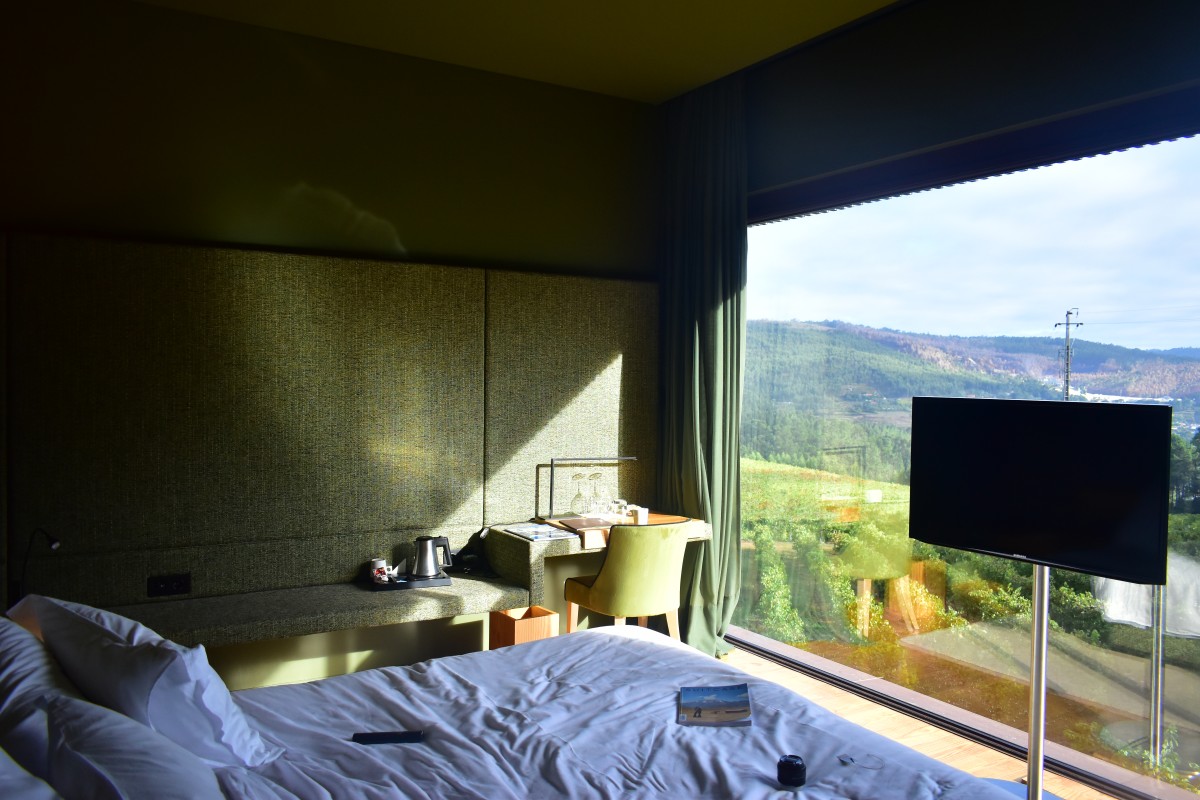
Why Quiet Getaways Are Becoming More Popular
A quiet break doesn’t need to involve a silent retreat or a strict digital detox. It can be as simple as staying in a village inn with a footpath nearby, where you book one good dinner and leave the following morning free.
People who want to reach more serene European destinations without losing a large part of the trip to airport connections may choose private jet hire, particularly when travelling as a group or heading somewhere served by a smaller regional airport. Doing this is often less about luxury for its own sake and more about using limited time well.
People are also paying closer attention to how a destination feels, rather than judging it by the number of attractions listed online. Famous landmarks and busy capitals are obviously still in demand for their own reasons, but not every trip needs a full itinerary. Sometimes the better option is somewhere with room to move, fewer queues and enough time to notice what is around you.

Why London Travellers Want Less From a Weekend Away
For Londoners, the appeal is easy to understand. A normal week can involve noisy, overstimulating commutes and late finishes, as well as dozens of small decisions that take up the bulk of your mental load before lunchtime.
By Friday evening, a heavily planned city break may feel like more of the same. A quieter trip offers a different pace without requiring a full week of annual leave. Two or three nights can be enough when the journey is a straightforward one, the room is comfortable, and there’s no pressure to account for every hour.
There’s also a growing awareness that a busy holiday is not always a restorative one. Returning home with hundreds of photos but no real sense of rest has started to lose its appeal. Now, many people would rather remember a long lunch, a coastal walk, or a morning spent reading than rush between six popular sights.

What a Quiet Getaway Looks Like
A good quiet break is not always remote. It might be six bedrooms above a village pub, a converted farmhouse outside a market town or a small hotel where guests eat in the same dining room each evening.
The most important details, however, will be the logistical ones. Make sure you check whether the property supports the kind of event or trip you’re hoping to have (for instance, whether they can host weddings), whether it has specific features you’re looking for (such as whether the bedroom faces a main road), and meal-related details (like how far you’d need to travel for dinner. And keep in mind that appearances can be deceiving: a secluded-looking hotel can still be noisy, while a central inn in a small town may become peaceful once the day visitors leave. These are all details you’ll want to confirm before you arrive and find out through an unpleasant experience.
Also make sure you check out reviews and pictures (or videos, if available) of the location beforehand. Professional photographs rarely show the car park, the nearby road or the function room downstairs, while recent reviews often provide a more useful picture.
Search for comments about thin walls, evening events, traffic and breakfast times. It’s also worth checking satellite maps, particularly if the property describes itself as rural. A hotel surrounded by fields can still be beside a busy route.
The Best Quiet Weekend Breaks From London
Rye remains a strong option for a short break, particularly outside the busiest summer weekends. It’s a compact old town, with a station quite close to the centre. Winchelsea and Camber are also great places if you want to get around without a car.
Farther east, the Suffolk coast works well for travellers who want sea air without the atmosphere of a large resort. Walberswick, Dunwich and the villages around Southwold offer long walks, small pubs and guesthouses that feel personal rather than designed for large tour groups.
The Chilterns are another easy choice when you’re conscious of your travel time. A direct train from central London can place you close to woodland walks, old pubs, and small market towns in under an hour. It may not feel dramatically remote, but that’s part of what makes it a great location.
Where To Go For a Longer UK Escape
If you’re travelling for three or four nights, it could be worth travelling farther. The Northumberland coast has broad beaches, small villages and enough distance between stops to keep the trip from feeling crowded.
Exmoor is another great choice, especially for travellers who prefer moorland routes and quiet evenings to shops and nightlife. The best approach is to choose one base and stay there; moving hotels every night may seem efficient in theory, but it usually creates more driving, more packing, and less time to settle into the area.
Quieter European Getaways From London
The same shift is happening with short European breaks. Menorca in late spring or early autumn is calmer than it is in August, with easier restaurant bookings and more room on coastal paths.
Slovenia’s Soča Valley suits travellers who would rather stay beside a river than in a capital, while smaller towns in northern Spain can work well for food-focused weekends without the pace of Madrid or Barcelona. Portugal’s Alentejo region is another option, particularly for travellers who enjoy vineyard stays, small towns and long lunches. Shoulder-season travel also often brings milder weather and lower room rates, although you should always check local opening times before booking.

Why the Journey Is As Important As the Hotel
A peaceful hotel won’t fully salvage a trip that started with a 5am queue and ended with an excruciatingly long road transfer; anybody would be tired and grouchy after a day like that. London travellers are therefore looking more closely at the whole route, including the time spent getting from home to the final destination.
For UK breaks, a direct train and a pre-booked taxi can be more useful than hiring a car. And for European trips, the nearest major airport is not always the best choice. A smaller airport, a direct route or a well-timed transfer can remove several tiring hours from the journey.
How To Plan a Quiet Getaway Properly
Remember to look beyond the hotel’s own description. Ensure you’ve checked the map, count the nearby restaurants and make sure the area still has enough open during the month you plan to visit.
It can also help to travel outside the usual Friday-to-Sunday pattern where work allows. Arriving on Thursday or staying until Monday can change the mood of a destination and may make train fares or room rates more manageable.
The main thing you need to do is keep the itinerary light. One main plan per day is usually enough. Book dinner where choices are limited, then leave the rest open so you can actually get to the “quiet” part of your getaway..
Quiet Travel Is About Choosing Better
A quiet getaway, ultimately, is a trip with fewer fixed plans and more attention paid to location, timing, and comfort.
London travellers are helping to push the trend because they know how tiring constant noise and movement can become. And people are discovering that the best break may not be the one with the longest restaurant list or the most photographed view. It may simply be the place where you sleep properly, step outside without a queue, and return home feeling as though the weekend lasted.