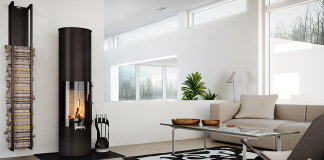

Our homes aren’t just where we crash at the end of the day anymore. They’ve become our offices, our gyms, our cinemas, and our personal sanctuaries. Since life is asking more from our living spaces than ever, that old, rigid way of doing interior design is giving way to something much more flexible and adaptable. Flexible design isn’t about chasing a fleeting trend; it’s about building a home that can grow with you, supporting your lifestyle day in and day out. This adaptability touches everything, from furniture you can rearrange to clever lighting design that can totally change how your rooms feel and what you use them for.
This whole idea is about making your space work for you, instead of the other way around. It means picking things that are versatile, do more than one job, and are easy to move around. When you embrace flexibility, you end up with a home that looks great and is super practical, ready for whatever life throws at it.
Designing for Dynamic Living
The main idea behind designing for a dynamic life is being responsive. Your home should be able to switch what it’s used for as easily as you switch from work mode to chilling out. Think about your typical week: you might host a dinner party on Saturday, work from your dining table on Monday, and have a quiet movie night on Tuesday. A dynamically designed space handles all these activities without a hitch.
This means letting go of the idea that rooms have just one fixed purpose. Your “dining room” could also be your craft spot, and the “living room” might become a yoga studio in the morning. It’s more about creating zones than strict rooms. You can do this by cleverly placing furniture, using area rugs to mark different sections, or even with movable screens. The goal is to build a layered environment where everything can do multiple jobs, giving you the freedom to live more fully within the same four walls.
Portable Lighting for Every Occasion
Lighting is one of the best ways to change a room’s vibe, but often it’s the most stuck in place. We’re usually just left with the ceiling lights and wall sockets the builders put in. Flexible design shakes this up by embracing portability. When your lighting isn’t tied to an outlet, you get total control over where you create bright spots and shadows.
Imagine needing a focused light on your kitchen island for meal prep, then wanting that same lamp to cast a warm, inviting glow on your bookshelf later that evening. This is where portable solutions really shine. Modern rechargeable cordless lamps can be moved wherever you need them, instantly changing a room’s mood and function. You can use them to make a cosy reading nook in an empty corner, add atmosphere to an outdoor dinner on the balcony, or give gentle light on a bedside table without messy cords. This freedom lets you paint with light, highlighting what you want, when you want, and adapting your home’s feel in a flash.
Modular Furniture Solutions
Modular furniture is key to a home that can adapt. Unlike traditional, single pieces, modular items are made of individual parts or ‘modules’ that you can arrange in tons of ways. This idea is really shaping the future of stylish living because it puts the creative power right in your hands.
A modular sofa, for instance, can be a big L-shape for movie nights, then split into two smaller sofas or an armchair and a chaise lounge for a more chatty setup when friends visit. Similarly, modular shelving can grow with your book collection or be rearranged to fit a new spot if you move. It’s a smart investment for things that last and are super versatile.
Designers are using these systems more and more to maximise flexibility in both small and large spaces. In a tiny flat, a modular unit could have a desk, storage, and a media centre all in one. In a bigger home, it can create clear zones within an open-plan layout.
Multi-Functional Spaces
Making a space do more than one thing means every square foot works harder. This is super important in smaller homes, but it’s a smart move for any place. The trick is to pick furniture and decor that can serve multiple purposes.
A classic example is the home office that needs to vanish at 5 pm. Instead of a big, permanent desk, think about a fold-down wall desk or a slim console table that can also be a sideboard. A stylish screen can hide your work setup, instantly turning the area back into a relaxing living space.
Here are a few ideas to get you going:
- The Guest Room/Office: Use a sofa bed instead of a regular bed. A trunk or storage ottoman can be a coffee table while also hiding bedding.
- The Dining/Living Area: An extendable dining table can stay small for daily use and get bigger for dinner parties. Nesting coffee tables can be pulled apart to give guests places for their drinks.
- The Bedroom/Workout Zone: Keep a yoga mat and weights in a nice wicker basket. A full-length mirror is great for getting ready and checking your form during a workout.
Thinking creatively about how you use your space helps you uncover its hidden potential and truly make it work for your lifestyle.
Smart Storage and Decluttering
A flexible home is an organised home. You can’t easily change a space from an office to a dining area if it’s covered in clutter. Smart storage is the hidden structure that makes flexible living possible. It’s not just about having more cupboards; it’s about having the right kind of storage in the right spots.
Vertical space is your best friend. Tall, narrow shelving units draw your eye up and offer lots of storage without taking up precious floor space. Think about furniture that does double duty, like a coffee table with secret drawers, a bed with storage underneath, or a bench with a lift-up seat in the hallway. These pieces let you quickly tuck things away, making it easy to switch between activities.
The first step is always a good declutter. Be honest about what you really need and use. Once you’ve streamlined your belongings, you can set up a system. Use drawer dividers, clear boxes for items in cupboards, and designated ‘homes’ for everything from keys to remote controls. When your space is clear and organised, rearranging it for a new purpose becomes a simple, stress-free task.
Embracing a flexible design approach lets you create a home that’s not just beautiful, but also a true partner in your daily life, ready to adapt and change right along with you.