

Forget ticking off famous landmarks or spending hours queuing for museums on your next city break. The latest travel trend is all about letting your taste buds lead the way. From bustling food markets and artisan bakeries to hidden neighbourhood cafés and family-run restaurants, more travellers are planning their holidays around what they can eat rather than what they can see.
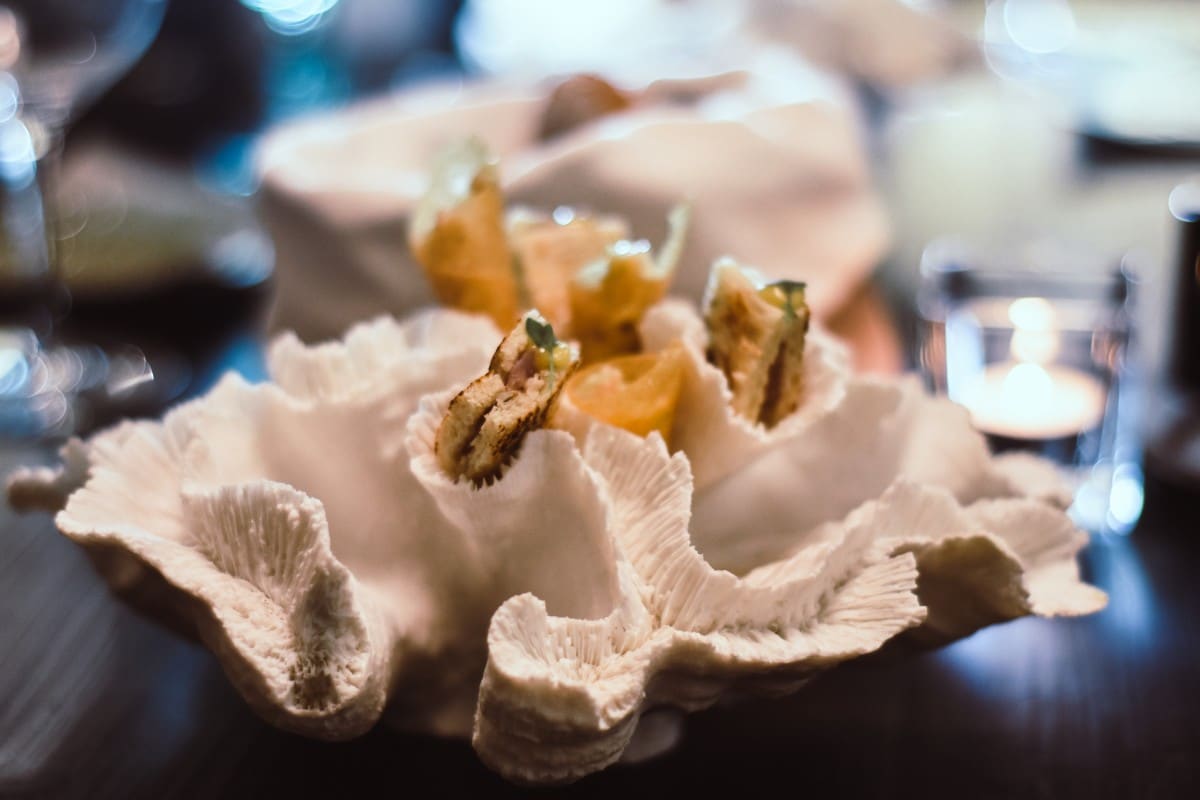
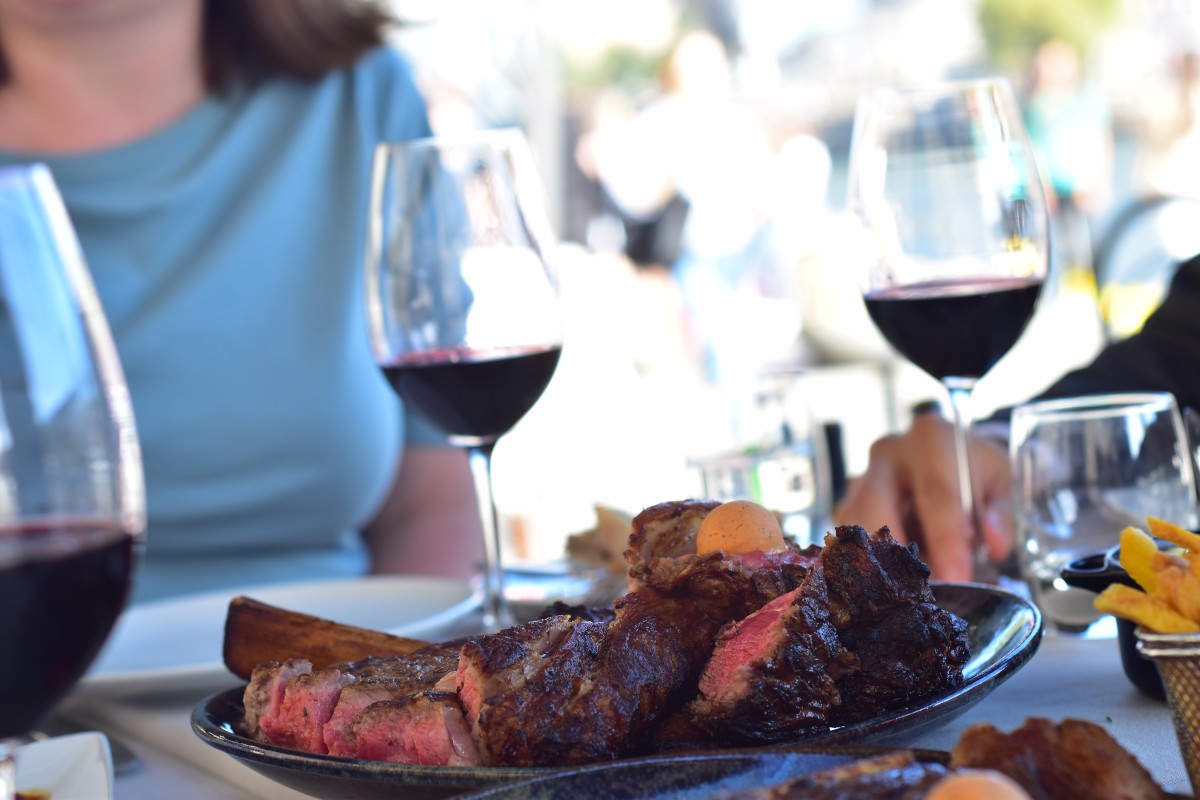
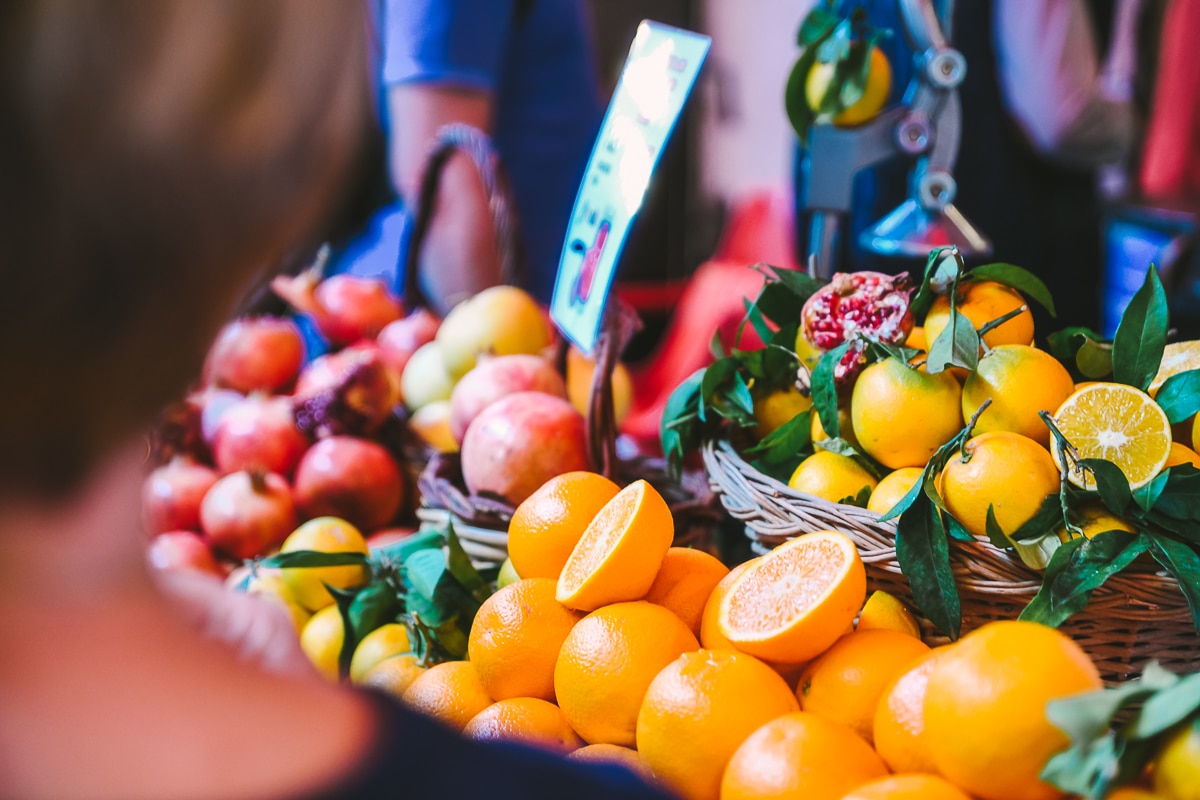
According to travel booking platform Hellotickets, searches for city breaks in destinations renowned for their food culture have increased by more than 30%, highlighting a growing appetite for culinary-focused travel. Rather than packing every minute with sightseeing, today’s travellers are embracing more spontaneous experiences centred around discovering authentic local flavours. Whether it’s hunting down the city’s best pastry, enjoying street food in a lively market or discovering a neighbourhood wine bar recommended by locals, these food-led experiences are becoming the highlights of European getaways.
Why Food-First City Breaks Are Growing in Popularity
Travellers are increasingly looking beyond traditional tourist attractions in favour of authentic experiences that immerse them in local culture. Food has become one of the easiest and most enjoyable ways to do just that, finding out more about a destination and its roots by the food and drinks. It’s a more immediate and immersive way to embed yourself in your trip and can be a lot more memorable too.
“We’re seeing more and more travellers choose a city for the kind of everyday experiences they can have there: a coffee, a pastry, a market, a local speciality,” says Jorge Diaz Largo, CEO of Hellotickets. “It’s a freer, livelier and more immediate way to discover a destination.”
Instead of carefully planned itineraries, visitors are embracing leisurely strolls through neighbourhoods, stopping wherever looks inviting and discovering destinations one bite or sip at a time.
The Best European Cities for a Food-First City Break
Tbilisi, Georgia
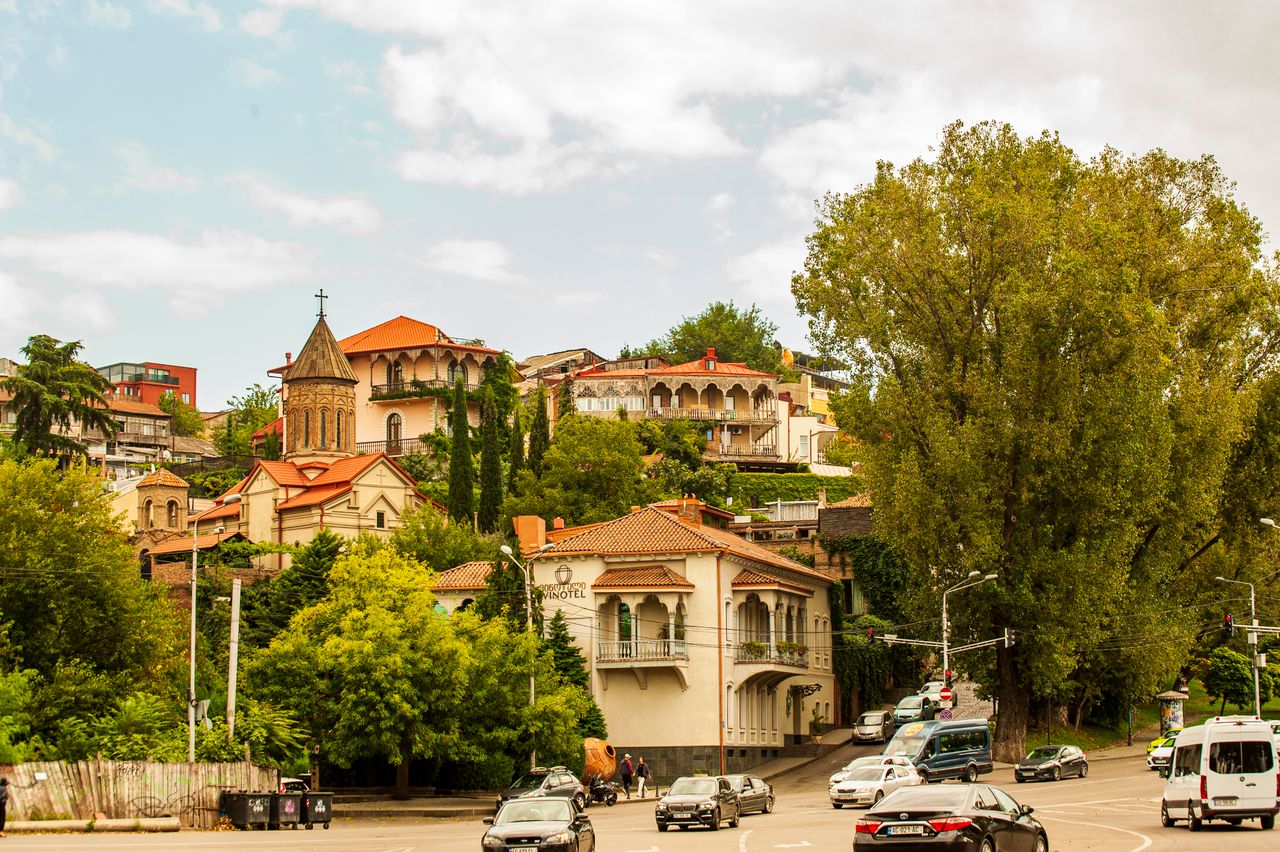
If you’ve never considered Tbilisi for a weekend away, its food scene may change your mind. Georgia’s capital is a dream destination for adventurous food lovers, combining centuries-old culinary traditions with incredible hospitality. Expect freshly baked khachapuri (cheese-filled bread), steaming khinkali dumplings, rich stews, vibrant markets and distinctive amber wines. Meals here are generous, affordable and deeply rooted in local culture.
Palermo, Sicily

Palermo perfectly captures the energy of authentic Sicilian street food. Rather than polished restaurants, this is a city where the best meals are often enjoyed standing at bustling market stalls or tucked into family-run eateries. Sample crispy arancine, savoury panelle, slices of sfincione and fresh seafood while exploring the city’s colourful streets. Palermo’s wonderfully chaotic atmosphere is ideal for adding to the feel and ambience of your meals here.
Porto, Portugal

Compact, picturesque and effortlessly charming, Porto is a city made for leisurely eating. Between riverside cafés, traditional bakeries, wine bars and local delicatessens, you’ll find yourself stopping far more often than planned. Whether you’re trying the famous francesinha sandwich, sampling Portuguese pastries or discovering local wines, Porto offers exceptional food without the crowds often found in larger European capitals.
Lyon, France
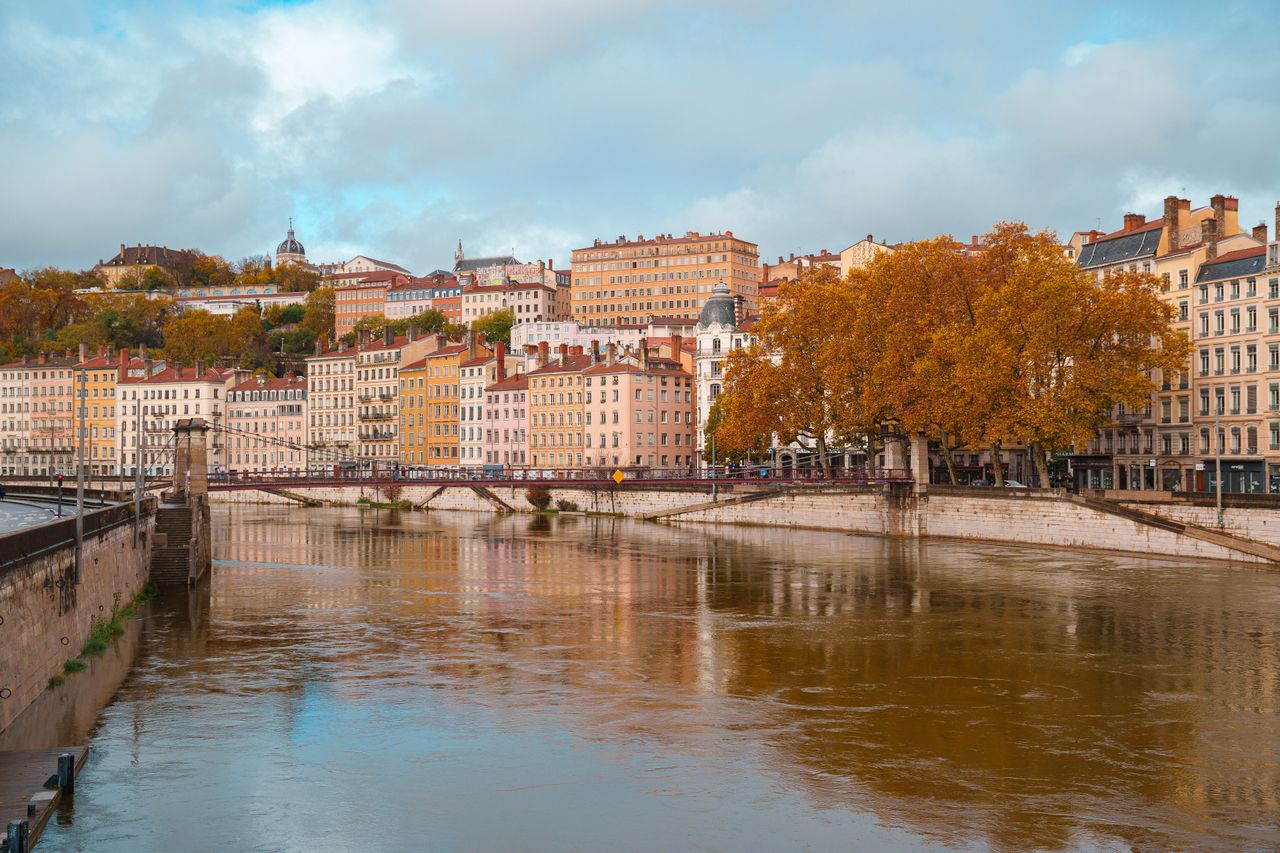
Often regarded as France’s culinary capital, Lyon deserves a place on every food lover’s bucket list. While it’s famous for fine dining, the city’s everyday food culture is equally impressive. Traditional bouchons, artisan bakeries, bustling markets, independent wine bars and exceptional pâtisseries create endless opportunities to graze your way around the city. It’s one of Europe’s best destinations for travellers who want to experience authentic French cuisine beyond Michelin-starred restaurants.
Copenhagen, Denmark

Minimalist, stylish and consistently innovative, Copenhagen has become one of Europe’s most exciting foodie destinations. The city’s renowned bakery culture, speciality coffee shops and beautifully presented small plates are a real must on your trip. Whether you’re enjoying freshly baked pastries, browsing food markets or sampling modern Nordic cuisine, Copenhagen proves sometimes the best food is some of the most simple.
Nice

With the sparkling Côte d’Azur as its backdrop, Nice offers a food scene that’s every bit as enticing as its famous beaches. Mediterranean flavours take centre stage, with bustling markets, waterfront seafood restaurants and bistros serving Provençal classics. Start your morning with freshly baked pastries before browsing the vibrant Cours Saleya Market, where colourful produce, local cheeses and fragrant herbs showcase the very best of the region. Don’t leave without trying a traditional salade niçoise or the city’s much-loved street food favourite, socca. When in Nice, I recommend staying in the Maison Albar le Victoria, with an incredible rooftop pool and beachfront location. Head to Le Plongeoir for drinks, and be sure to dine at Restaurant de Luc Nice.
Helsinki
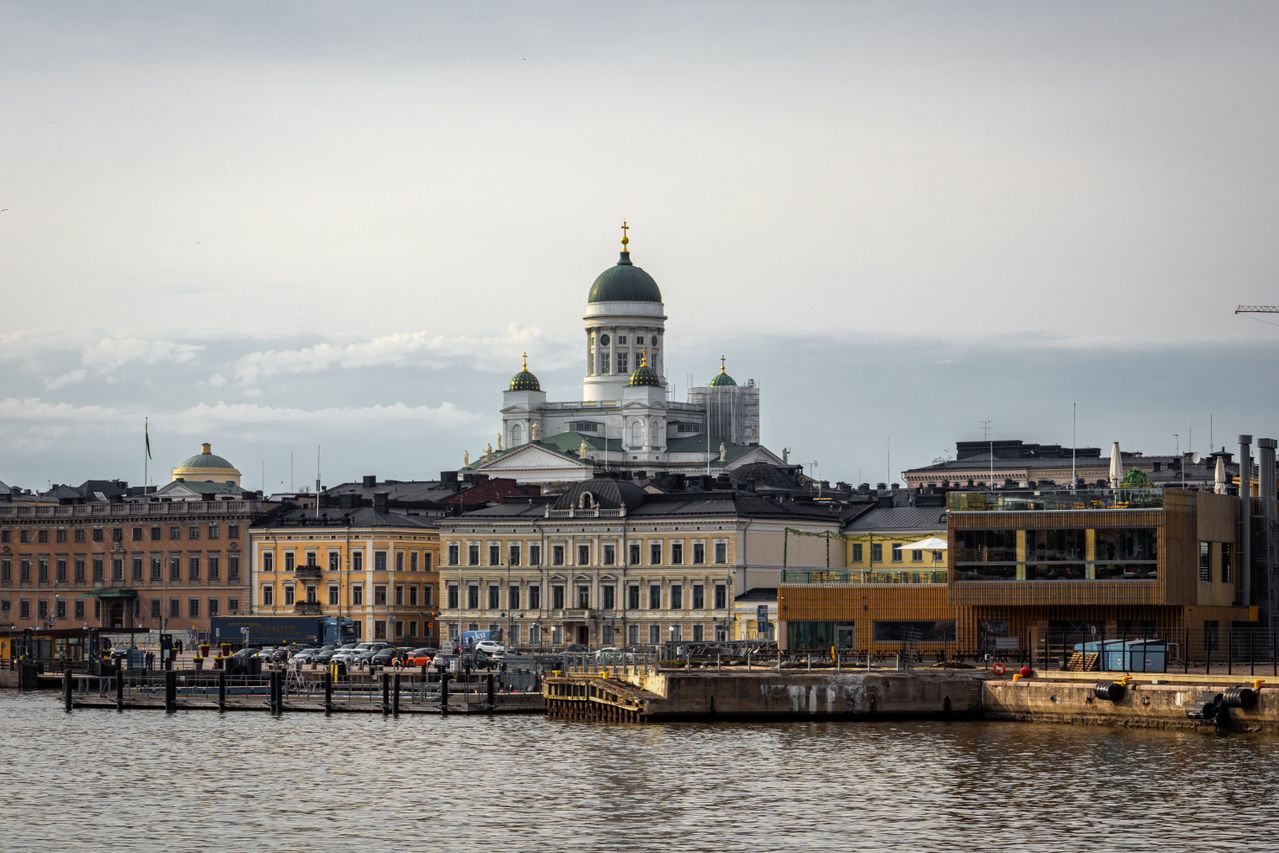
Helsinki is seamlessly establishing itself as one of Northern Europe’s most exciting foodie destinations. Combining Nordic traditions with contemporary innovation, the Finnish capital is home to stylish cafés, waterside markets and restaurants championing seasonal local ingredients. From freshly caught seafood and rye bread to cinnamon buns paired with expertly brewed coffee, Helsinki’s food scene is simple, elegant and deeply connected to nature. It’s an ideal choice for travellers looking for a culinary city break that’s a little different from the usual European hotspots. If you do go to Helsinki, I recommend staying in the Radisson Red for incredible views and a brilliant location. Dining wise, don’t miss LaBra restaurant.
Travel Is Becoming More About Taste Than Tourist Attractions
The popularity of food-first city breaks reflects a wider shift in how we travel. Rather than rushing between attractions, many travellers are choosing destinations that encourage them to slow down, wander and experience everyday life just as a local would. It’s all about discovering hidden cafés, chatting with market vendors, finding neighbourhood restaurants and not planning to excess.
As travellers continue to seek more meaningful experiences, Europe’s most exciting culinary cities are becoming just as appealing for their markets, bakeries and local specialities as they are for their famous landmarks.
If you’re planning your next European getaway, perhaps the first question shouldn’t be what is there to see? Instead, ask yourself: what can’t I wait to eat?