

Sports tourism in Europe often follows a simple logic. Fans choose destinations where major competitions align with easy travel and reliable venues. The continent offers dense transport networks and a packed sports calendar. This combination keeps Europe at the centre of global sports travel.
Planning habits have also changed in recent years. Many travellers track fixtures, schedules, and side events while moving between cities, with 1xbet for android frequently noted in discussions about mobile sports access. This behaviour reflects how quickly plans now adjust. It also explains why flexible destinations gain attention.
Rather than focusing on one-off trips, many visitors build routes. These routes connect several cities within one league or tournament window. Listing destinations helps clarify which places work best for this approach. The sections below focus on cities that consistently deliver.
London – football volume and transport reach
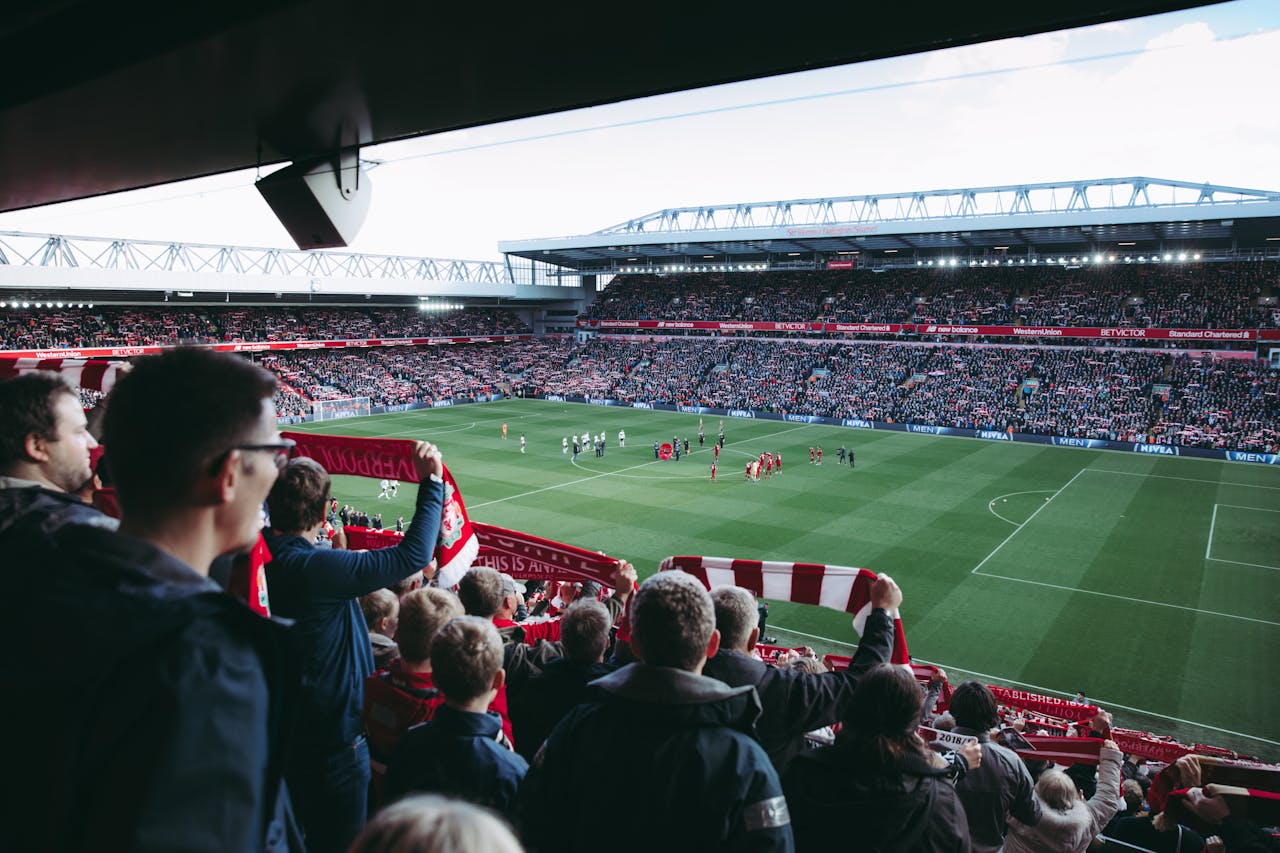
London remains one of the most reliable sports travel hubs in Europe. The city hosts multiple Premier League clubs within short distances. Stadium access links directly to underground lines. This reduces travel time on matchdays.
Beyond football, London offers rugby, tennis, and boxing events. The calendar rarely leaves empty weekends. Visitors often combine two events across different sports. This density makes planning efficient.
Key reasons London stays popular include:
- Several top-tier stadiums in one metro area
- Late public transport after major matches
- Large supply of hotels across price ranges
These factors keep repeat visits common.
Madrid – compact centre and elite fixtures
Madrid attracts sports tourists through consistency. Top football matches anchor the calendar. The city centre remains walkable between hotels, bars, and transport hubs. This limits reliance on taxis.
Basketball and tennis events add variety across seasons. Indoor arenas support winter travel. Many visitors plan short stays focused on one marquee fixture. Madrid suits this pattern well.
The city also benefits from predictable scheduling. Domestic league fixtures follow clear rhythms. This stability helps with early booking. It reduces last-minute costs.
Milan – multi-sport access and regional links
Milan works as a gateway rather than a single-stop destination. Football matches draw the largest crowds. Rail links connect the city to nearby regions within hours. This allows extensions to Turin or Verona.
Basketball and motorsport exhibitions appear regularly. Fashion and sport calendars often overlap. This overlap attracts mixed-interest travellers. Milan supports that balance.
Sports tourists often highlight:
- Strong rail connections to northern Italy
- Large stadium capacity for major fixtures
- Consistent international flight availability
These features support both short and extended trips.
Munich – event planning and infrastructure
Munich stands out for organisation. Stadium access follows clear crowd-management systems. Public transport runs extended hours on event nights. Visitors rarely face confusion.
Football remains central, yet winter sports nearby add seasonal appeal. Many travellers plan dual-purpose trips. They attend matches and explore alpine regions. This versatility keeps Munich relevant year-round.
Digital habits also influence planning here. Discussions about download betting app for Android often appear in travel forums tied to German events. This reflects mobile-first information use. Infrastructure supports that demand.
Budapest – finals, affordability, and walkability
Budapest has grown in sports tourism due to hosting major finals. Stadium investments improved capacity and access. The city centre remains compact and affordable. This attracts neutral fans.
Hotels cluster near transit lines. Walking covers most tourist needs. Dining costs stay lower than western capitals. These factors appeal to budget-conscious travellers.
Industry analysis sometimes references the 1xbet company when discussing event-driven tourism growth in Central Europe. The context usually focuses on audience reach. It reflects how international attention has shifted eastward.
Turin – focused visits and clear identity
Turin suits travellers who prefer single-event trips. Football remains the main draw. The stadium sits outside the historic centre but links easily by tram. Matchdays follow clear routines.
Museums and cafes fill non-match hours. The city avoids overcrowding. This creates a calmer sports travel experience. Turin appeals to visitors seeking focus.
Local planning benefits from stable league schedules. Visitors can predict dates with confidence. This reliability supports repeat attendance.
Final notes on choosing the right destination
The best sports destinations balance fixtures with logistics. Transport access matters as much as the match itself. Cities with compact layouts reduce stress. Predictable calendars save money.
Sports tourism continues to evolve. Fans now combine live attendance with constant updates, sometimes through 1xbet or similar platforms. This behaviour shapes destination choices. Europe rewards travellers who match events with practical cities.
A listing approach clarifies these patterns. London or Milan, Munich or Turin each serve different travel styles. The right choice depends on timing, budget, and preferred sport.