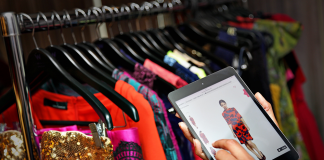

Remember when printed clothing had a bad reputation? For years, printed t-shirts were associated with designs that cracked after a few washes, colours that faded quickly and graphics that peeled almost as soon as you bought them. Printed fashion often felt cheap, disposable and far less premium than plain clothing. But things have changed. Bold, printed fashion is making a huge comeback, and this time the quality is finally matching the creativity. From statement graphics and oversized prints to vibrant full-colour designs, modern printing technology is transforming the way custom clothing looks and feels.
At the centre of this shift is something many people still haven’t heard of: DTF film transfers. Short for Direct-to-Film printing, this technology is changing the custom fashion industry completely. It allows designers to create detailed, durable and highly vibrant prints on almost any fabric, without the cracking, peeling and fading that older methods became known for. The result is printed clothing that not only stands out visually, but also lasts — which is exactly why everyone is suddenly talking about it.
What Are DTF Film Transfers?
DTF transfers are a modern printing method where a design is printed onto a special clear film before being heat pressed directly onto a garment. The process itself is surprisingly straightforward. A printer creates the design onto direct transfer film, an adhesive powder is applied, the film is cured, and then the design is pressed onto the fabric using heat. Unlike older printing techniques that often sat heavily on top of the material like a sticker, DTF prints bond much more naturally with the garment itself. This means colours stay vibrant, details remain sharp and the design is far less likely to crack, peel or fade after repeated washing.
One of the biggest reasons DTF film transfers are becoming so popular is their versatility. They work across a wide range of materials, including cotton for everyday t-shirts, polyester for sportswear and performance clothing, as well as blended fabrics that combine softness with durability. They are also ideal for both small and large production runs, as printing a single item can be almost as cost-effective as producing bulk orders. This has opened the door for independent designers, small businesses, hobbyists, and major fashion brands alike to experiment with bold, custom printed fashion without huge upfront costs.
Why Bold Prints Fell Out Of Favour
For a while, bold printed fashion lost its appeal, and honestly, it’s easy to see why. We all remember the graphic t-shirts that looked amazing when you first bought them, only to crack, peel, or completely fade after a handful of washes. Prints often felt thick and plasticky on the fabric, making clothes less comfortable to wear and instantly lowering the overall feel of the garment. After years of disappointing quality, statement prints started to feel less fashion-forward and more throwaway.
As trends shifted towards minimalism, neutral wardrobes and “quiet luxury,” bold graphics naturally took a back seat. Small logos and understated pieces became the safer choice, while loud prints felt harder to pull off when there was no guarantee they would actually last. But the love for self-expression through fashion never really disappeared. People still wanted vintage-inspired band tees, artistic graphics and pieces that felt personal to them – the kind of clothing that actually says something about who you are. The demand for bold fashion was always there; it simply needed the quality and technology to finally catch up.
How DTF Changed The Game
This is where things really started to shift. DTF printing solved many of the problems that caused printed fashion to fall out of favour in the first place. The cracking that used to appear after stretching fabric? Dramatically reduced. The fading after repeated washing? Far less of an issue. Even the heavy, plasticky feel that older prints became known for has been replaced with softer, more flexible finishes that move naturally with the garment itself. Suddenly, bold printed clothing no longer had to compromise on comfort or quality.
The timing of this shift couldn’t have been better either. As consumers increasingly look for individuality and self-expression in what they wear, demand for customised and print-on-demand fashion has surged. The global direct-to-film printing market was valued at around $2.72 billion in 2024 and continues to grow rapidly, driven largely by consumers wanting clothing that feels more personal and unique. DTF printing has opened the door for independent designers, creatives and small brands to compete in ways that simply weren’t possible before. A designer can now create a full-colour graphic from home, upload it online and have it professionally printed onto high-quality garments without investing in expensive equipment or huge stock orders. In many ways, DTF hasn’t just improved printed fashion — it has completely changed who gets to create it.
Better Quality, Lower Cost
One of the biggest reasons DTF printing has grown so quickly is because it manages to balance quality with affordability in a way older printing methods struggled to achieve. Designs appear sharper, colours feel far more vibrant and the overall finish looks noticeably more premium, even on smaller production runs. Traditionally, high-quality garment printing often required expensive setup costs or large bulk orders to make it financially worthwhile. DTF has changed that completely, allowing smaller brands and independent creators to achieve professional-looking results without the huge upfront investment.
Works On Almost Anything
Another major advantage of DTF printing is its versatility. Older printing methods could be restrictive when it came to fabric choices, often working best on only certain materials. DTF, however, performs well across a wide variety of fabrics including cotton, polyester and blended materials, making it ideal for everything from everyday t-shirts to sportswear and activewear. For brands, this flexibility is a huge benefit, as it allows entire collections to be produced using one reliable printing method without sacrificing consistency or quality.
Why This Trend Is Here To Stay
Some fashion trends arrive loudly and disappear just as quickly, but the return of bold printed clothing feels different. This resurgence is being driven by something much deeper than seasonal aesthetics — people genuinely want clothing that reflects their personality. Fashion has always been a form of self-expression, and statement prints allow people to showcase their interests, creativity and individuality in a way minimal basics often can’t. As long as people continue looking for ways to stand out and personalise what they wear, there will always be a place for bold graphic fashion.
At the same time, the technology behind printed clothing is evolving faster than ever. DTF printing continues to improve, with thinner films, brighter inks and softer finishes helping designs feel more natural within the fabric itself rather than sitting heavily on top of it. The line between “printed clothing” and “premium fashion” is becoming increasingly blurred. Add to that the fact that there are now fewer barriers for independent creators entering the market, and it is easy to see why printed fashion is expanding so rapidly. Designers no longer need huge budgets or large-scale production runs to turn creative ideas into real products, which has opened the door to far more originality and diversity within fashion.
Bringing It All Together
Bold printed fashion never truly disappeared because people stopped loving it — it faded because the quality simply couldn’t keep up. For years, cracked graphics, faded colours and uncomfortable prints made statement clothing feel disposable rather than stylish. But with the rise of DTF film transfers, that perception is changing quickly. Today’s printed garments are more durable, more vibrant and far more wearable than the generations before them, allowing bold fashion to feel premium again rather than temporary.
The revival has been driven by a combination of better technology, lower production costs and a growing demand for personalised fashion. Modern DTF prints last longer, work across a huge range of fabrics and make it easier than ever for independent designers, small businesses and creatives to bring their ideas to life without massive budgets or large production runs. At the same time, consumers are actively looking for clothing that feels expressive and individual, helping bold graphics move firmly back into the mainstream.
What started as a subtle shift has now become impossible to ignore. Statement prints are no longer seen as cheap or risky — they are becoming one of the most exciting parts of modern fashion again. And this time, the quality finally matches the creativity behind the designs.