

Travelling used to mean stuffing your wallet with foreign currency, keeping a close eye on your cards, and hoping your bank didn’t freeze your account the moment you made a purchase abroad.
Those days are largely behind us. Your smartphone has quietly taken over every financial task you’d previously need multiple cards, apps, and a fair bit of patience to handle. From paying for a coffee in Tokyo to splitting a hotel bill in Barcelona, the phone in your pocket is now doing all the heavy lifting.
You Can Manage Everything with a Few Taps
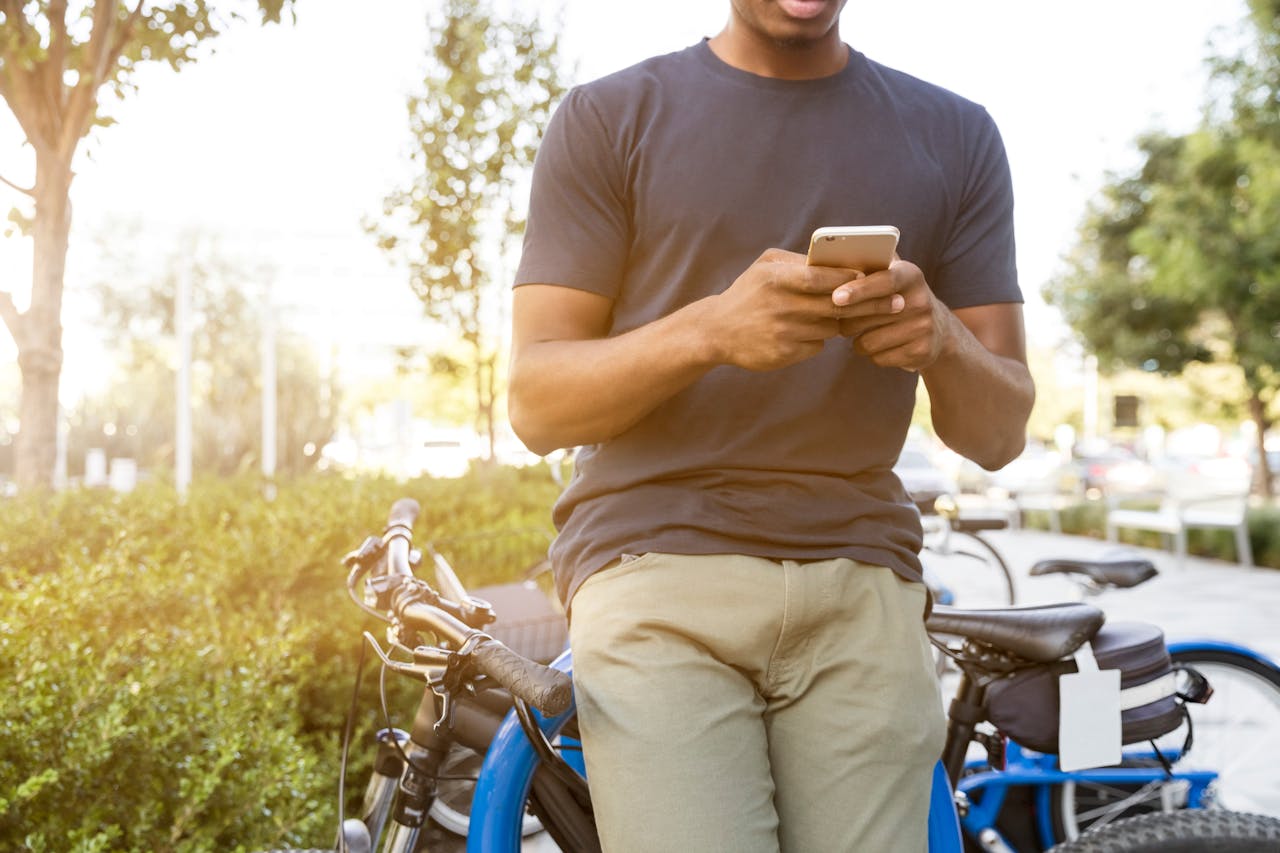
The main reason your smartphone is so convenient when it comes to payments is simple: everything can be managed in just a few clicks. You don’t need to dig through your bag for the right card, visit a currency exchange desk, or memorise a PIN for every account you hold. Your phone consolidates all of that into one device, and once you’re set up, the process becomes almost effortless.
Mobile payment methods have expanded dramatically. NFC (Near Field Communication) lets you pay by holding your phone near a contactless terminal, no card required. Services like Apple Pay and Google Pay use this technology and are accepted at millions of locations worldwide. Beyond NFC, you can link your Visa or Mastercard directly to your phone’s wallet app and pay without ever touching the physical card. E-wallets like PayPal, Revolut, and Wise add another layer of flexibility, letting you hold multiple currencies, send money to friends, and receive payments instantly. It’s a complete payment ecosystem, right in your hand.
For those with specific interests, like casino gaming, mobile payments open up even more doors. Options like MrQ pay by phone let you deposit funds into your casino account without any fuss, directly from your mobile. This kind of frictionless access was actually one of the key drivers behind the growth of mobile gaming; the ability to fund your account and start playing within seconds made the whole experience far more accessible and appealing to a much wider audience.
Booking and Managing Your Entire Trip from One Device
Payments are just one piece of the puzzle. Your smartphone also doubles as a full-blown travel management tool, and the apps available today make organising a trip genuinely straightforward.
Booking.com lets you search, compare, and reserve hotels across the globe, with instant confirmation and a clear breakdown of costs before you commit. Airbnb works in a similar way for private rentals, giving you access to unique stays that traditional hotel booking platforms simply can’t offer.
Flight management is equally smooth on mobile. Apps like Google Flights, Skyscanner, and airline-specific platforms let you search for the best fares, set price alerts, and book tickets without ever sitting down at a computer. Once booked, your boarding pass lives in your phone’s wallet. Some airlines even allow you to check in, select seats, and make changes to your booking entirely through their app.
Beyond hotels and flights, apps like TripIt automatically organise your travel itinerary by pulling information from your confirmation emails. You get a clean, chronological view of your entire trip (flights, check-ins, restaurant reservations, and transfers) all in one place. Rome2Rio helps you figure out how to get between destinations using any combination of transport, and Uber or local ride-hailing apps handle the last-mile travel once you’ve landed. Your phone genuinely replaces what used to require a travel agent.
Keeping Your Budget in Check While You’re Away
Overspending on holiday is easy to do. Dinners, day trips, spontaneous shopping; it all adds up faster than expected. This is where having a dedicated budgeting app on your phone makes a real difference. Knowing exactly where your money is going gives you the confidence to enjoy the trip without that creeping worry about checking your balance at the end.
Apps like Revolut and Wise don’t just handle payments; they also give you a real-time breakdown of your spending by category. You can see at a glance how much you’ve spent on food, transport, or entertainment, and set daily or weekly limits to keep things on track. Revolut, in particular, is popular with travellers because it offers interbank exchange rates with no hidden fees, which is a significant saving compared to airport currency exchanges or traditional bank cards.
For more detailed budgeting, Trail Wallet is a simple app designed specifically for travel spending. You set a daily budget, log each expense, and it tells you whether you’re on track or falling behind.
Splitwise is another handy option for group trips. It tracks shared expenses and calculates who owes what, removing the awkward maths at the end of a meal. TravelSpend is similarly focused, letting you set a total trip budget and monitor it in real time as you go. None of these apps are complicated, and even setting one up for the first time takes about five minutes.
It’s also worth noting that e-wallets and multi-currency cards often include built-in spending notifications. Every time you make a purchase, you get an instant alert on your phone. That real-time feedback naturally encourages more mindful spending, and many people find that just knowing they’ll receive a notification makes them pause before making an impulse purchase.
Security and Peace of Mind on the Go
One concern people often have about relying on their phone for payments is security. It’s a fair point, but mobile payments are generally more secure than carrying physical cards. NFC payments generate a unique transaction code each time, so even if someone intercepted the data, it couldn’t be reused. Apple Pay and Google Pay require biometric authentication (your fingerprint or face) before any payment goes through.
If your phone is lost or stolen, you can remotely lock or wipe it using Find My (iOS) or Find My Device (Android), which immediately protects your payment apps. Physical cards, by contrast, can be used contactlessly by anyone who finds them up to a certain transaction limit. Your phone gives you far more control over what happens in a worst-case scenario.
Ultimately, a smartphone isn’t just a convenient travel tool; it’s a genuinely smarter way to manage money on the move. Whether you’re paying with NFC at a street market, tracking your daily spend with a budgeting app, or depositing funds into a gaming account between flights, the flexibility and control you get from a single device is hard to match. Pack light, travel smart, and let your phone handle the rest.
Travelling used to mean stuffing your wallet with foreign currency, keeping a close eye on your cards, and hoping your bank didn’t freeze your account the moment you made a purchase abroad.
Those days are largely behind us. Your smartphone has quietly taken over every financial task you’d previously need multiple cards, apps, and a fair bit of patience to handle. From paying for a coffee in Tokyo to splitting a hotel bill in Barcelona, the phone in your pocket is now doing all the heavy lifting.
You Can Manage Everything with a Few Taps
The main reason your smartphone is so convenient when it comes to payments is simple: everything can be managed in just a few clicks. You don’t need to dig through your bag for the right card, visit a currency exchange desk, or memorise a PIN for every account you hold. Your phone consolidates all of that into one device, and once you’re set up, the process becomes almost effortless.
Mobile payment methods have expanded dramatically. NFC (Near Field Communication) lets you pay by holding your phone near a contactless terminal, no card required. Services like Apple Pay and Google Pay use this technology and are accepted at millions of locations worldwide. Beyond NFC, you can link your Visa or Mastercard directly to your phone’s wallet app and pay without ever touching the physical card. E-wallets like PayPal, Revolut, and Wise add another layer of flexibility, letting you hold multiple currencies, send money to friends, and receive payments instantly. It’s a complete payment ecosystem, right in your hand.
For those with specific interests, like casino gaming, mobile payments open up even more doors. Options like MrQ pay by phone let you deposit funds into your casino account without any fuss, directly from your mobile. This kind of frictionless access was actually one of the key drivers behind the growth of mobile gaming; the ability to fund your account and start playing within seconds made the whole experience far more accessible and appealing to a much wider audience.
Booking and Managing Your Entire Trip from One Device
Payments are just one piece of the puzzle. Your smartphone also doubles as a full-blown travel management tool, and the apps available today make organising a trip genuinely straightforward.
Booking.com lets you search, compare, and reserve hotels across the globe, with instant confirmation and a clear breakdown of costs before you commit. Airbnb works in a similar way for private rentals, giving you access to unique stays that traditional hotel booking platforms simply can’t offer.
Flight management is equally smooth on mobile. Apps like Google Flights, Skyscanner, and airline-specific platforms let you search for the best fares, set price alerts, and book tickets without ever sitting down at a computer. Once booked, your boarding pass lives in your phone’s wallet. Some airlines even allow you to check in, select seats, and make changes to your booking entirely through their app.
Beyond hotels and flights, apps like TripIt automatically organise your travel itinerary by pulling information from your confirmation emails. You get a clean, chronological view of your entire trip (flights, check-ins, restaurant reservations, and transfers) all in one place. Rome2Rio helps you figure out how to get between destinations using any combination of transport, and Uber or local ride-hailing apps handle the last-mile travel once you’ve landed. Your phone genuinely replaces what used to require a travel agent.
Keeping Your Budget in Check While You’re Away
Overspending on holiday is easy to do. Dinners, day trips, spontaneous shopping; it all adds up faster than expected. This is where having a dedicated budgeting app on your phone makes a real difference. Knowing exactly where your money is going gives you the confidence to enjoy the trip without that creeping worry about checking your balance at the end.
Apps like Revolut and Wise don’t just handle payments; they also give you a real-time breakdown of your spending by category. You can see at a glance how much you’ve spent on food, transport, or entertainment, and set daily or weekly limits to keep things on track. Revolut, in particular, is popular with travellers because it offers interbank exchange rates with no hidden fees, which is a significant saving compared to airport currency exchanges or traditional bank cards.
For more detailed budgeting, Trail Wallet is a simple app designed specifically for travel spending. You set a daily budget, log each expense, and it tells you whether you’re on track or falling behind.
Splitwise is another handy option for group trips. It tracks shared expenses and calculates who owes what, removing the awkward maths at the end of a meal. TravelSpend is similarly focused, letting you set a total trip budget and monitor it in real time as you go. None of these apps are complicated, and even setting one up for the first time takes about five minutes.
It’s also worth noting that e-wallets and multi-currency cards often include built-in spending notifications. Every time you make a purchase, you get an instant alert on your phone. That real-time feedback naturally encourages more mindful spending, and many people find that just knowing they’ll receive a notification makes them pause before making an impulse purchase.
Security and Peace of Mind on the Go
One concern people often have about relying on their phone for payments is security. It’s a fair point, but mobile payments are generally more secure than carrying physical cards. NFC payments generate a unique transaction code each time, so even if someone intercepted the data, it couldn’t be reused. Apple Pay and Google Pay require biometric authentication (your fingerprint or face) before any payment goes through.
If your phone is lost or stolen, you can remotely lock or wipe it using Find My (iOS) or Find My Device (Android), which immediately protects your payment apps. Physical cards, by contrast, can be used contactlessly by anyone who finds them up to a certain transaction limit. Your phone gives you far more control over what happens in a worst-case scenario.
Ultimately, a smartphone isn’t just a convenient travel tool; it’s a genuinely smarter way to manage money on the move. Whether you’re paying with NFC at a street market, tracking your daily spend with a budgeting app, or depositing funds into a gaming account between flights, the flexibility and control you get from a single device is hard to match. Pack light, travel smart, and let your phone handle the rest.