

From medieval castles and stately homes to iconic city landmarks, Britain’s architectural heritage is a huge presence both in our towns and cities, however preserving these buildings is no easy feat. Ageing structures, environmental damage and the need for careful restoration mean conservation projects require exceptional precision from the very beginning.
Fortunately, advances in surveying technology are transforming the way heritage professionals approach restoration. Among the most significant innovations is 3D laser scanning, a technique that captures millions of highly accurate measurements to create a complete digital replica of a building. Combined with drone technology and specialist surveying techniques, it is changing the future of heritage conservation across the UK.
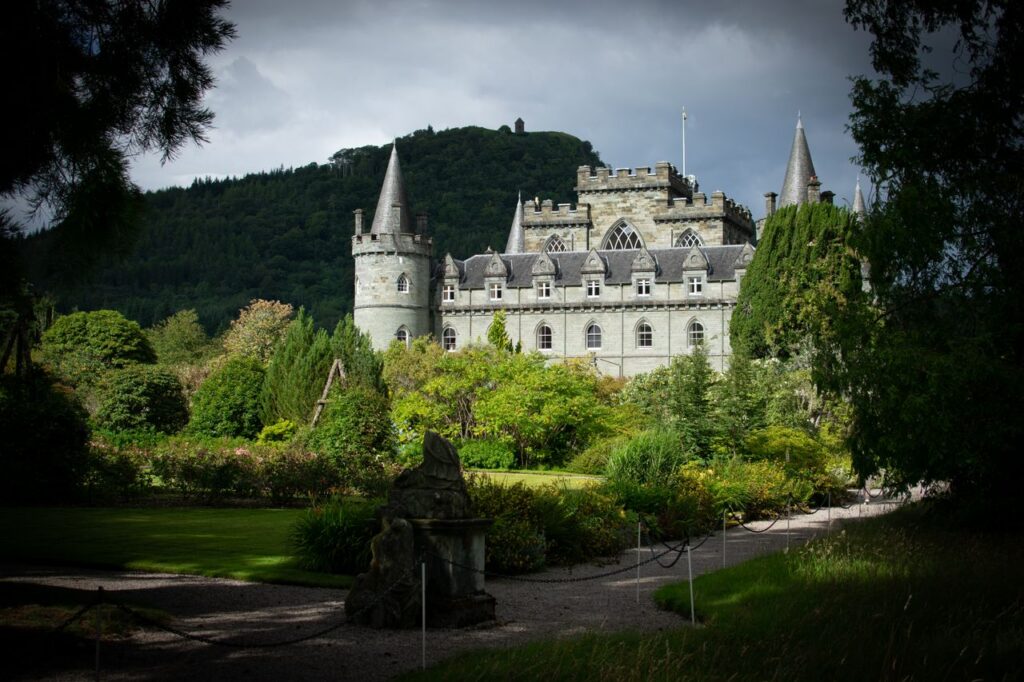
Creating a Digital Twin of Historic Buildings
Traditional surveying methods can be time-consuming, particularly when working with complex or fragile buildings. Ornate facades, vaulted ceilings, towers and inaccessible roof spaces often make accurate measurements difficult while increasing the risk of disturbing historic fabric. With a dedicated heritage survey that utilises 3D laser scanning, surveyors can collect millions of data points within minutes, producing an incredibly detailed point cloud that accurately records every visible surface. The result is a precise digital model that architects, conservation specialists and engineers can explore long after leaving the site.
These digital records become invaluable throughout restoration projects, allowing teams to measure, model and analyse buildings without repeated site visits. They also provide an important archive should future repairs become necessary.
Protecting Heritage Without Disturbing It
One of the greatest advantages of modern surveying is that it is largely non-invasive. Many listed buildings contain delicate architectural features that cannot withstand excessive physical contact. Rather than relying on ladders, scaffolding or repeated manual measurements, specialists can capture comprehensive information while minimising disruption to the building itself. This not only protects vulnerable structures but also reduces project times and helps restoration work begin more efficiently.
The Growing Role of Drone Surveys
Some of Britain’s most remarkable historic buildings feature areas that are almost impossible to inspect safely from the ground. Church spires, castle walls, rooftops and towering facades often require expensive access equipment or temporary closures.
Drone surveys have become an increasingly valuable solution, allowing surveyors to capture high-resolution imagery and accurate measurements from above. Combined with laser scanning data, drones provide a complete picture of a structure’s condition while significantly reducing both cost and risk. For conservation teams, this means hidden defects, weather damage and structural movement can often be identified before they become major problems.
Blending Heritage with Modern Technology
Today’s surveying industry is about far more than producing measurements. Digital technology allows survey data to integrate directly with Building Information Modelling (BIM), enabling architects and engineers to collaborate more effectively throughout restoration projects.
This level of accuracy is particularly valuable when working on complex refurbishments where new structural elements must fit seamlessly within centuries-old buildings. Every beam, window, staircase and decorative feature can be mapped with remarkable precision before construction begins.
Supporting Smarter Urban Development
While heritage conservation remains an important application, advanced surveying technologies are also playing a major role in shaping Britain’s future cities.
Detailed topographic surveys, utility mapping, mobile mapping and site engineering services allow developers to plan new buildings with greater confidence while reducing costly delays during construction. Accurate digital information helps projects move from design to completion more efficiently, benefiting everyone from architects and engineers to local authorities and developers.
As cities continue to evolve, combining modern development with the preservation of historic architecture will become increasingly important.