

A beautiful home rests on things you never see. Behind the paint, the tiles, and the styling sits a network of pipes doing quiet, essential work. Most of the time you forget it is there. Then a pipe bursts on a Sunday night, and suddenly nothing matters more.
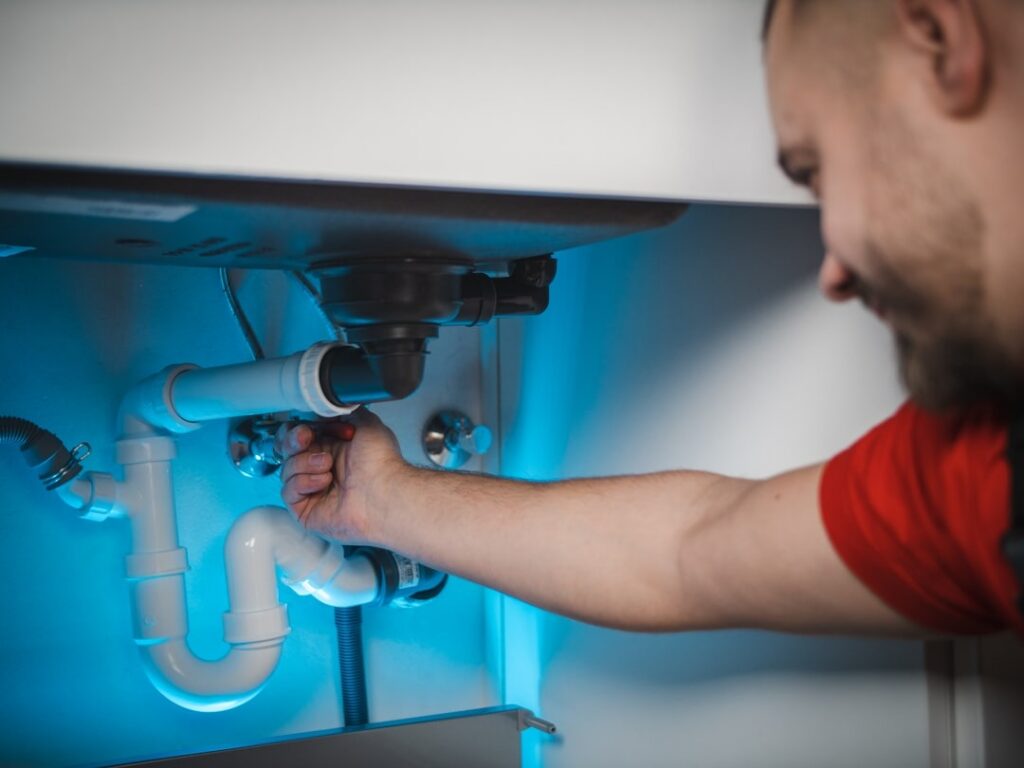
Photo by Timur Shakerzianov on Unsplash
Alt text: A plumber working on pipes under a sink
That is the moment a trusted local plumber earns their keep. For homeowners across South London, having a name like Homecure Plumbers saved before trouble strikes turns a crisis into a quick phone call. This guide covers why plumbing deserves attention, and how to keep yours in good order.
Why Does Plumbing Deserve More Attention?
Because it protects everything else. Water damage is brutal.
A slow leak behind a wall can ruin plaster, floors, and decor before you notice it. In older London homes especially, ageing pipework hides behind period features and can fail without warning. Good plumbing quietly prevents that, while poor plumbing can undo an expensive renovation. Treating it as infrastructure, rather than an afterthought, pays off.
The point is protection. Sound pipes protect a lovely home.
What Are the Warning Signs of Trouble?
Small clues, early. Homes usually warn you.
Damp patches, low pressure, odd noises, and rising bills all hint at problems. A musty smell or a sudden spike in the water bill often points to a hidden leak. Simple boiler safety tips can help you catch issues before they escalate. Acting on the first sign is far cheaper than waiting for a flood.
The rule is vigilance. Little signs prevent big bills.
When Should You Call a Professional?
Sooner than you might think. Some jobs are not DIY.
Photo by Clay Banks on Unsplash
Alt text: A modern bathroom sink with taps
Anything involving gas or your boiler belongs to a registered engineer, full stop. The risks are simply too serious to gamble with, a point underlined by HSE guidance on domestic gas safety. For water leaks, early professional help prevents lasting damage.
The rule is caution. Gas work is never a hobby job.
What About During Renovations?
Plan the plumbing first. Renovations expose hidden risks.
Opening up walls and floors is exactly when home renovation hazards tend to surface. Getting a plumber involved early avoids expensive surprises later. It is far cheaper to move a pipe before the tiling goes on.
How Do You Find a Plumber You Can Trust?
With a little care. Credentials matter most.
Look for accreditation, clear pricing, and genuine reviews before you need anyone urgently. The WaterSafe register of approved plumbers is a sensible place to begin. The steps that help most are these 5:
- Check credentials. Gas work needs a registered engineer.
- Read real reviews. Look for consistent local feedback.
- Compare 3 quotes. Ask for a clear, itemised price.
- Confirm insurance. Make sure the work is covered.
- Save the number. Keep a trusted plumber on hand.
Each step lowers your risk. Together they mean no panic-searching mid-crisis.
What Everyday Habits Prevent Problems?
Small, regular care. Prevention beats repair.
Service your boiler every 12 months and learn where your stopcock is. Knowing how to isolate the water supply buys you precious time in an emergency. Avoid pouring fat down drains, and address small drips quickly. These habits cost little and spare you the worst emergencies.
The rule is routine. A little upkeep avoids big trouble.
Key Points to Keep In Mind
- Reliable plumbing quietly protects the whole home.
- Damp, low pressure, and odd noises are early warnings.
- Gas and boiler work must go to a registered engineer.
- Plan plumbing early during any renovation.
- Choose an accredited plumber before an emergency hits.
- Service the boiler every 12 months and know the stopcock.
Peace of Mind Under the Floorboards
Plumbing is easy to ignore right up until it fails, and then it is all you can think about. A little attention now, from spotting early warning signs to lining up an accredited local plumber, spares you the worst of it. Treat the pipes as part of the home you have worked so hard to create, not an afterthought. Do that, and you can enjoy a beautiful, comfortable home without dreading the next drip.
Frequently Asked Questions
How Often Should I Service My Boiler?
Once a year is the standard advice, ideally before winter when you rely on it most. An annual service by a registered engineer keeps it running efficiently and safely, and it often maintains the manufacturer’s warranty. The engineer can spot small faults before they become expensive breakdowns. Regular servicing also helps with safety, since a poorly maintained boiler is far more likely to develop dangerous faults.
When Do I Need a Professional Rather Than DIY?
Minor tasks like a slow tap washer can be a sensible DIY job, but anything involving gas, the boiler, or major leaks needs a professional. Gas work legally requires a registered engineer, and getting it wrong is genuinely dangerous. Persistent leaks, low pressure, or damp also warrant expert help before they cause lasting damage. When in doubt, it is safer and usually cheaper to call a qualified plumber early.
How Do I Know If a Plumber Is Properly Qualified?
Check for recognised accreditation and, for any gas work, registration on the official scheme. Reputable plumbers are happy to show credentials and provide a clear, written quote before starting. Genuine local reviews and word-of-mouth recommendations add confidence. Registers of approved plumbers are a reliable starting point, helping you avoid unqualified traders and giving you recourse if something goes wrong.
What Are the Most Common Home Plumbing Problems?
Dripping taps, blocked drains, low water pressure, and boiler faults are among the most frequent. Many start small and worsen if ignored, so early attention saves money. Simple habits, like not pouring fat down the sink and addressing drips quickly, prevent a surprising number of them. For anything involving gas or persistent leaks, though, it is always best to bring in a qualified professional.